Art direction
Claibe
Sally Trier
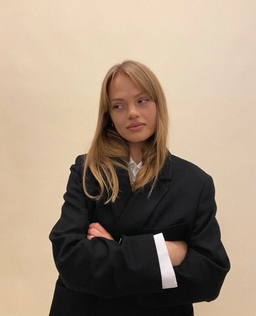
Sally Trier er art director og AI-artist. Hun startede karrieren hos &Co., hvor hun var med til at lave en af Danmarks første AI-kampagner, og arbejder i dag selvstændigt og som en del af Runways internationale talentnetværk. AI hjælper hende med at teste idéer tidligt, præcisere sprog og skabe fælles forståelse med kunder.
Hvordan starter du et projekt og finder den rigtige kreative retning?
Jeg bruger tid på at forstå opgaven, konteksten og brandets nuværende udtryk. Det tidlige arbejde er afgørende for resten af processen.
Ud fra den forståelse udvikler jeg tre overordnede retninger, som kunden kan vælge imellem, før vi folder den endelige idé ud.

Hvordan indgår generativ AI i din proces?
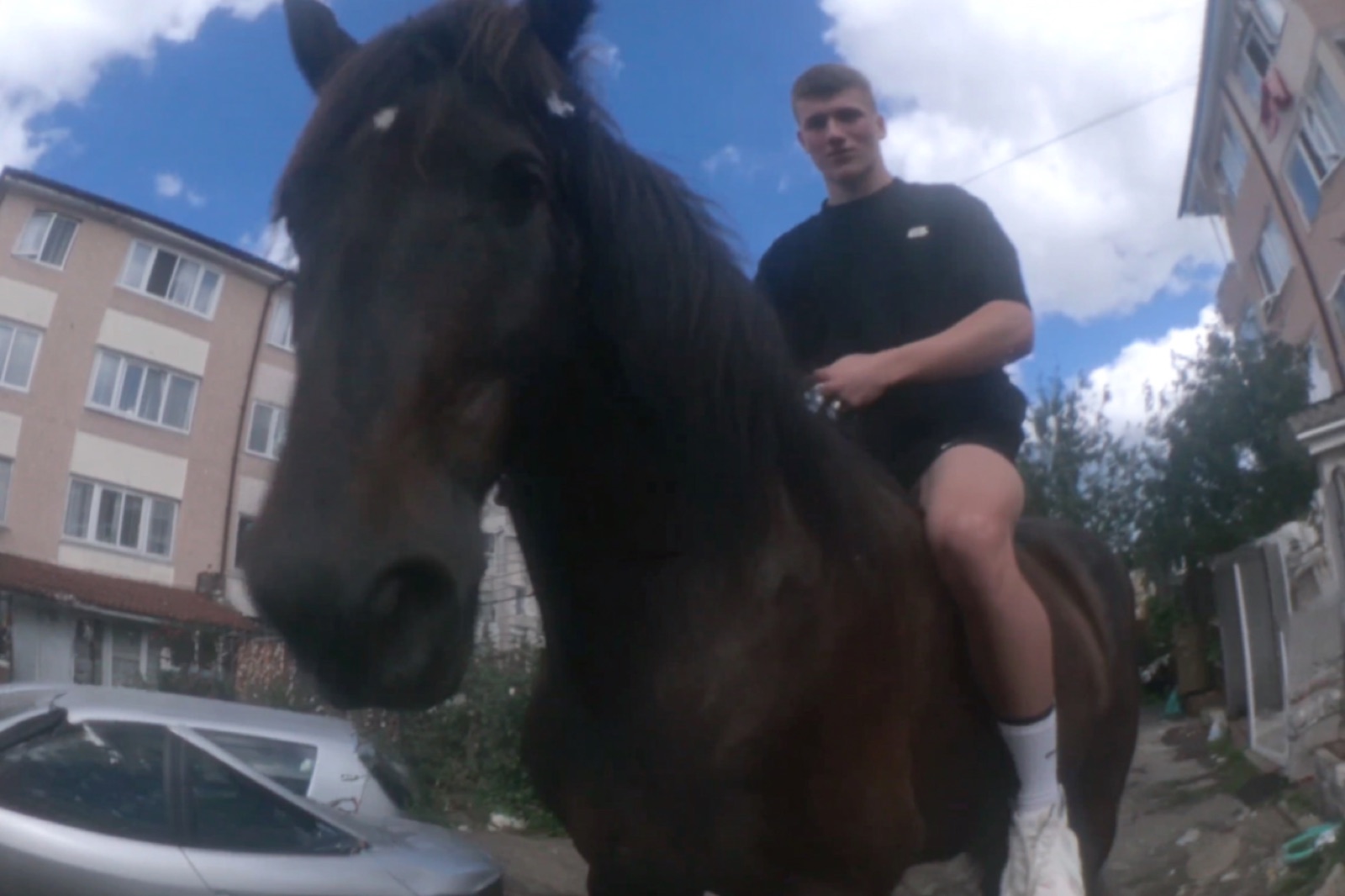
Nogle gange bruger jeg AI som et kreativt rum til at udforske stilarter og stemninger. Andre gange bruger jeg det til prototyper og hurtige skitser.
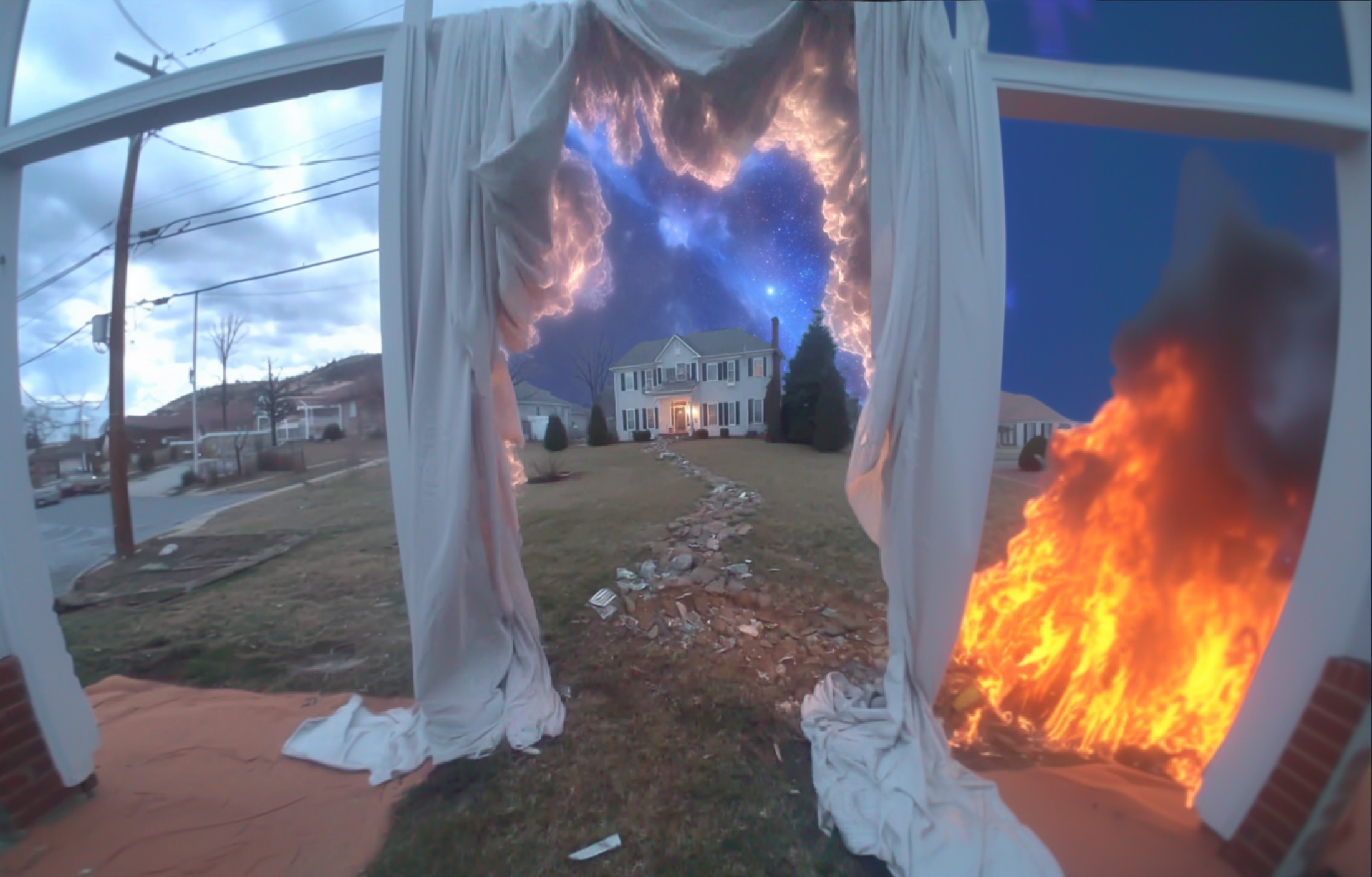
Jeg bruger det også til at vise stemninger for kunden, så samtalen bliver konkret. Det hjælper med at sælge idéen og skabe fælles reference.
AI fungerer samtidig som opslagsværk og sprogligt værktøj, når jeg mangler nuancer eller præcise formuleringer.
Hvorfor spiller sprog, æstetik og "cores" en vigtig rolle i dit arbejde?
Jo mere præcist jeg kan formulere mig, jo mere kontrol har jeg over det visuelle udtryk. Det gør en reel forskel for resultatet.
En core er et æstetisk anker af stemning, lys og følelse. Den holder projektet samlet og gør beslutninger lettere.
Hvad gør Claibe stærkt for dig i forhold til andre værktøjer?
Præcisionen gør den store forskel. Jeg kan ændre små detaljer uden at resten af billedet falder fra hinanden.
Det gør processen mere flydende, og værktøjet er intuitivt, så jeg kan fokusere på det kreative.
Hvilke projekter drømmer du om at lave med AI?
Jeg elsker at arbejde med ting, der normalt ikke kan lade sig gøre, når skala og materialer begynder at glide væk fra det realistiske.
Jeg vil gerne blande rigtigt footage med AI, så de to verdener smelter sammen.
Flere interviews
Se hvem der ellers arbejder kreativt med Claibe.

Indretning & Design
Mads Sætter-Lassen
Medstifter af Krøyer-Sætter-Lassen. Møbler, produkter og interiør fra København.
Art direction
Anne Rosenvold Tygesen
Designer med 20 år i modebranchen. Bygger nu visuelle universer med AI.

Art direction
Julie Rask
Billedskaber, der former stemning og bevægelse med generativ AI.
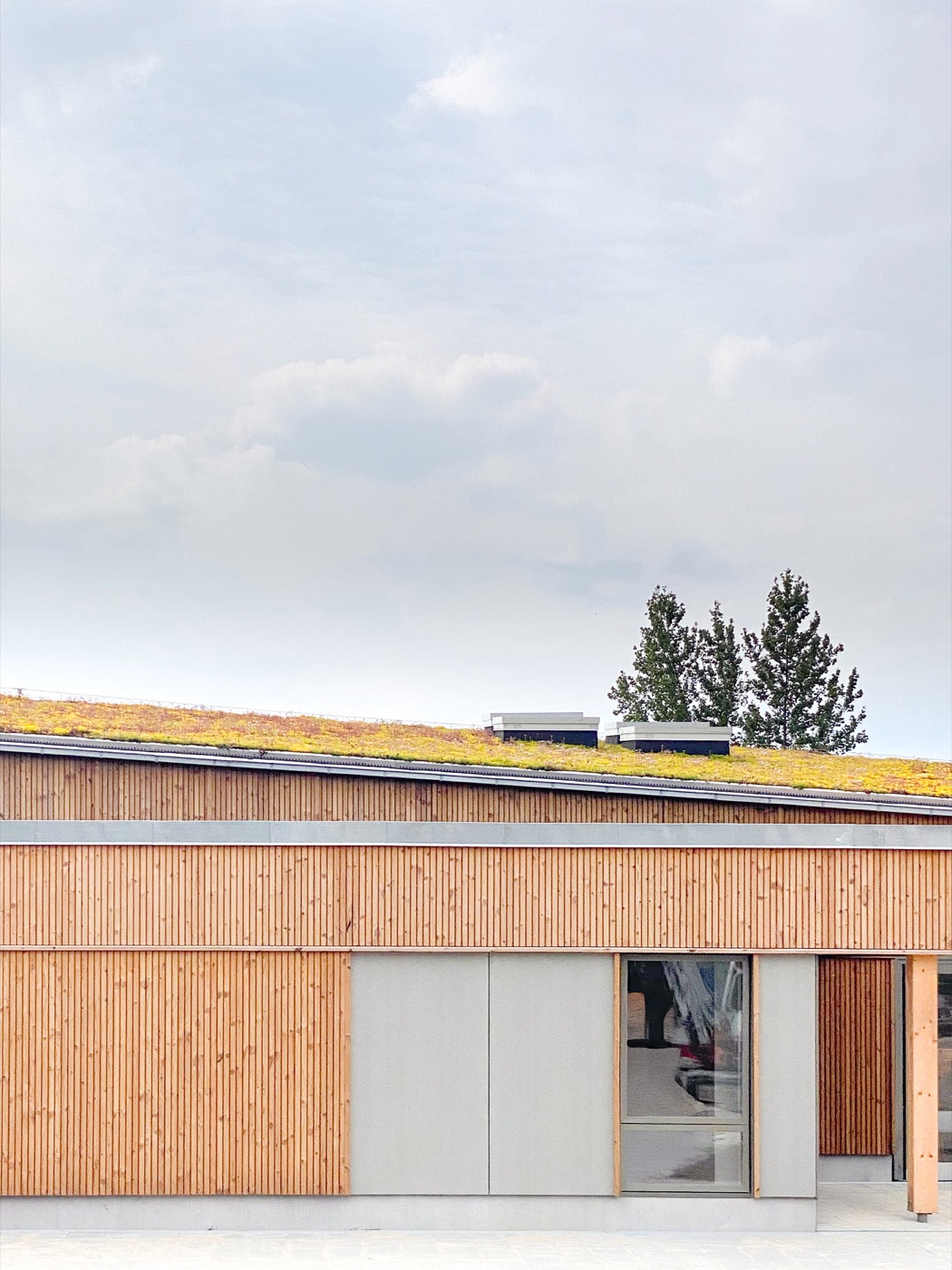
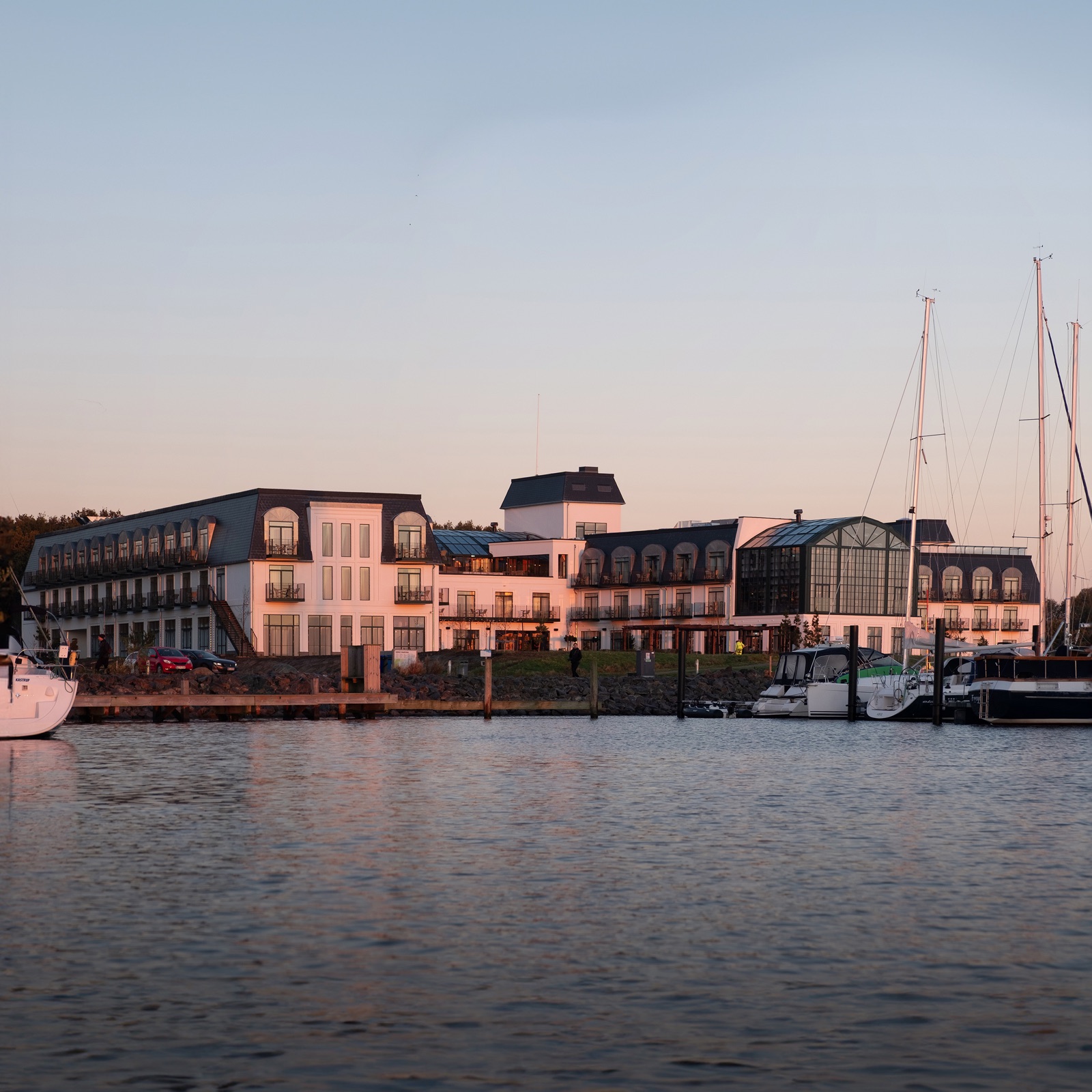
Arkitektur
Mathilde Friis Olsen
Visualiseringsarkitekt og portrætmaler. Vinder af Danmarks Bedste Portrætmaler.
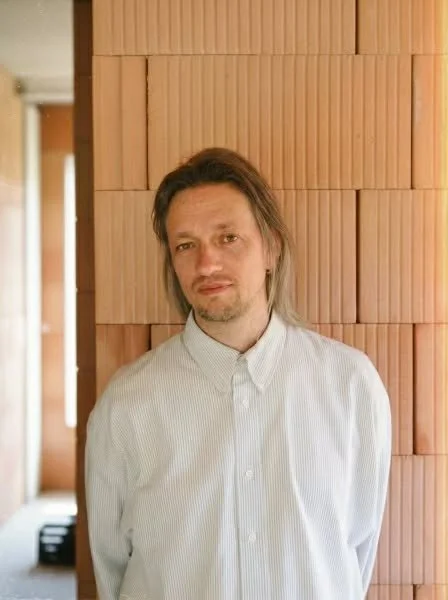
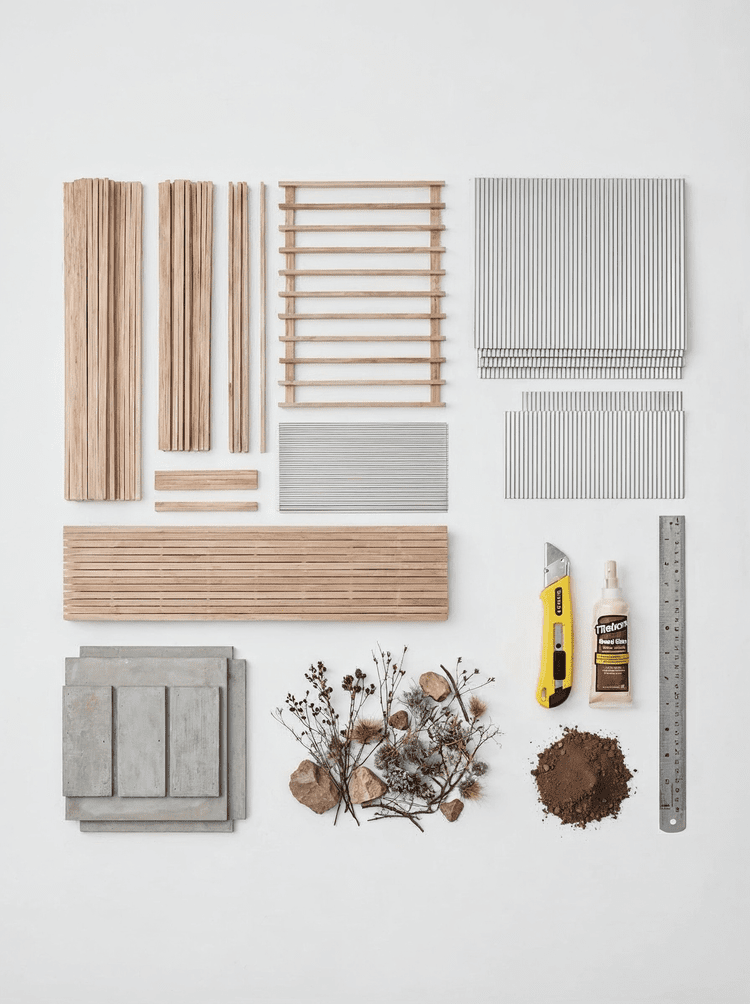
Arkitektur
Jon Andersen
Arkitekt og lektor ved Arkitektskolen Aarhus. Underviser i AI ved ARoS.