Arkitektur
Claibe
Jon Andersen
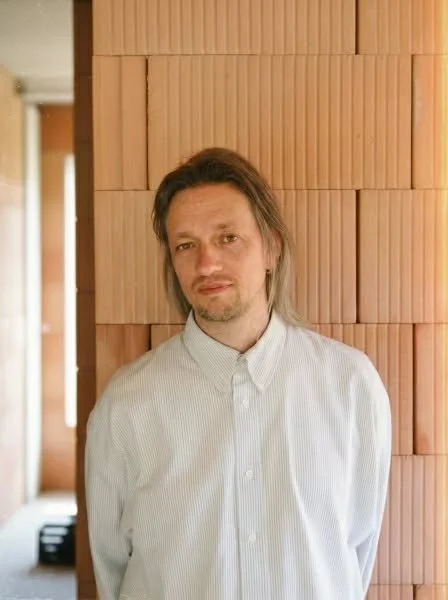
Jon Andersen er arkitekt og lektor ved Arkitektskolen Aarhus med et anerkendt kunstnerisk virke og fokus på digital tænkning og transformation. Han underviser i AI på arkitektkurserne ved ARoS i Aarhus og udforsker, hvordan teknologien kan bruges kvalificeret i arkitekturen.
Hvornår og hvordan opstod din interesse for AI i relation til arkitektur?
Rent filosofisk har AI længe været interessant for mig. Min nørdede side og fascination af det futuristiske, i kombination med min generelle interesse for teknologi og nysgerrighed, har drevet det. Da jeg hørte om GANs (Generative Adversarial Networks) og Nvidias faces, og så kunstværket Edmond de Belamy blive solgt på auktion, fik jeg en stor aha-oplevelse. Det fangede for alvor min interesse og fik mig til at dykke ned i, hvad teknologien kunne, og hvilke værktøjer der var på daværende tidspunkt.
Min interesse for AI i relation til arkitektur blev for alvor vakt, da første generation af DALL·E og senere Midjourney blev lanceret i 2022. Det var også her, jeg selv begyndte at eksperimentere med det. Det var dog indledningsvist kilde til stor frustration præget af tilfældigheder, da der var store udfordringer med kontrol, noget vi som arkitekter har brug for, selv i de tidlige eksplorative faser. Men som generativt værktøj var det sjovt, fantastisk til at skabe happy accidents, forestille sig nye kombinationer og verdener.
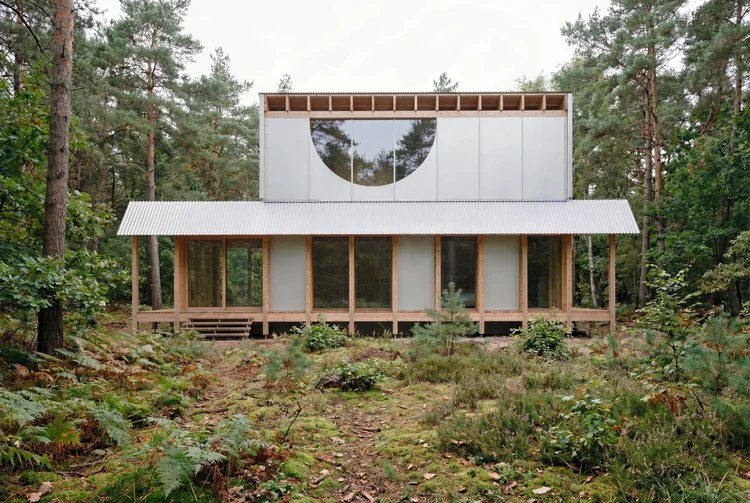
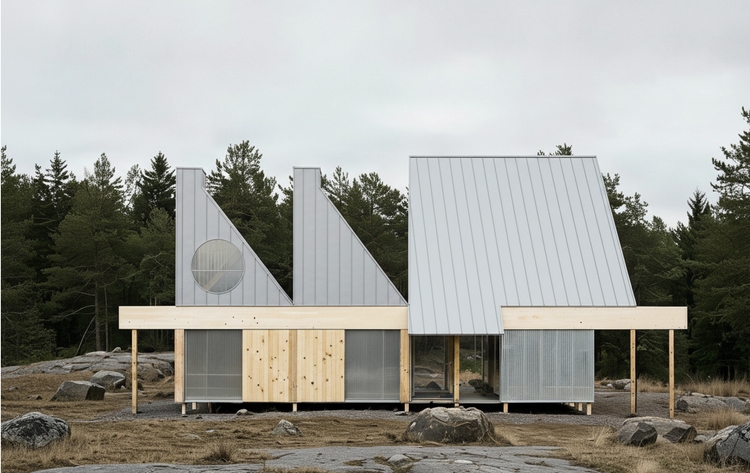
Teknologien kom som et lyn fra en klar himmel og har udviklet sig eksplosivt over de sidste par år. Hvordan ser du AI påvirke formgivningen for arkitekter?
Jeg tror på, at AI kommer til at betyde, at vi som arkitekter i endnu højere grad skal styrke vores kernekompetencer. AI frigiver tid og ressourcer, så vi kan investere yderligere i essentielle dele af processen, hvor vi som arkitekter for alvor kan skabe værdi. Samtidig gør teknologien det at skabe billeder enormt tilgængeligt. Vi kan bruge billedsproget meget aktivt både til at afprøve, men også formidle vores idéer kvalificeret. Det er universelt, i modsætning til mange af vores andre repræsentationsformer. Det kan skabe muligheder for os som arkitekter i forhold til lettere at kommunikere arkitekturen og måske overtale parter til løsninger, der ellers ville være styret af stereotype og generiske idéer om rum og arkitektur.
Det udfordrer os, og vi skal være enormt kvalificerede i vores brug af AI. Vi skal oparbejde en bevidsthed om, hvordan vi bruger disse værktøjer kritisk, men også se dem som en naturlig tilføjelse til vores værktøjskasse og en integreret del af vores processer, der kan være både tid-, økonomi- og ressourcebesparende og skabe værdi for alle.
Hvilke faldgruber og risici ser du som resultat af teknologien?
At vi kan skabe billeder, der kan forføre, men også fordreje og manipulere, fordi skala, tyngdekraft (fysikkens love) og det rumlige, tredimensionelle aspekt ikke er reelt repræsenteret. Der er også rettighedsproblematikker, indbyggede bias i de modeller vi bruger, samt spørgsmål om, hvilke datasæt de er trænet på, og faren ved ukritisk brug.
Hvordan bruger du selv AI i din undervisning og praksis?
Jeg bruger det som et centralt værktøj i mine egne processer, men i høj grad også i dialogen med studerende. Ofte prøver jeg at få dem til at definere kvalificerede aspekter, der skal undersøges og afprøves, så det bliver en række mere målrettede studier frem for tilfældige genereringer, hvor der skitseres kvantitativt horisontalt i stedet for kvalitativt i dybden. Det bliver derved en aktiv del af ens skitsering, men informeret af og tæt knyttet til processen.
Der er mange visuelle AI-redskaber på markedet. Hvordan adskiller Claibe sig i din optik?
Claibe gør det muligt for alle at arbejde kvalificeret, eksperimenterende, kontrolleret og bevidst med AI. Claibes intuitive skræddersyede funktioner, workflows og værktøjer er skabt med henblik på arkitektur, design og generelt kunstnerisk praksis. Værktøjerne giver kontrol og gør vejen til gode resultater markant kortere, hvilket sparer ressourcer på mange niveauer. Der er taget højde for rettigheder og de juridiske aspekter, samt at den æstetiske bias er tunet mod en skandinavisk sensibilitet.
Flere interviews
Se hvem der ellers arbejder kreativt med Claibe.

Indretning & Design
Mads Sætter-Lassen
Medstifter af Krøyer-Sætter-Lassen. Møbler, produkter og interiør fra København.
Art direction
Sally Trier
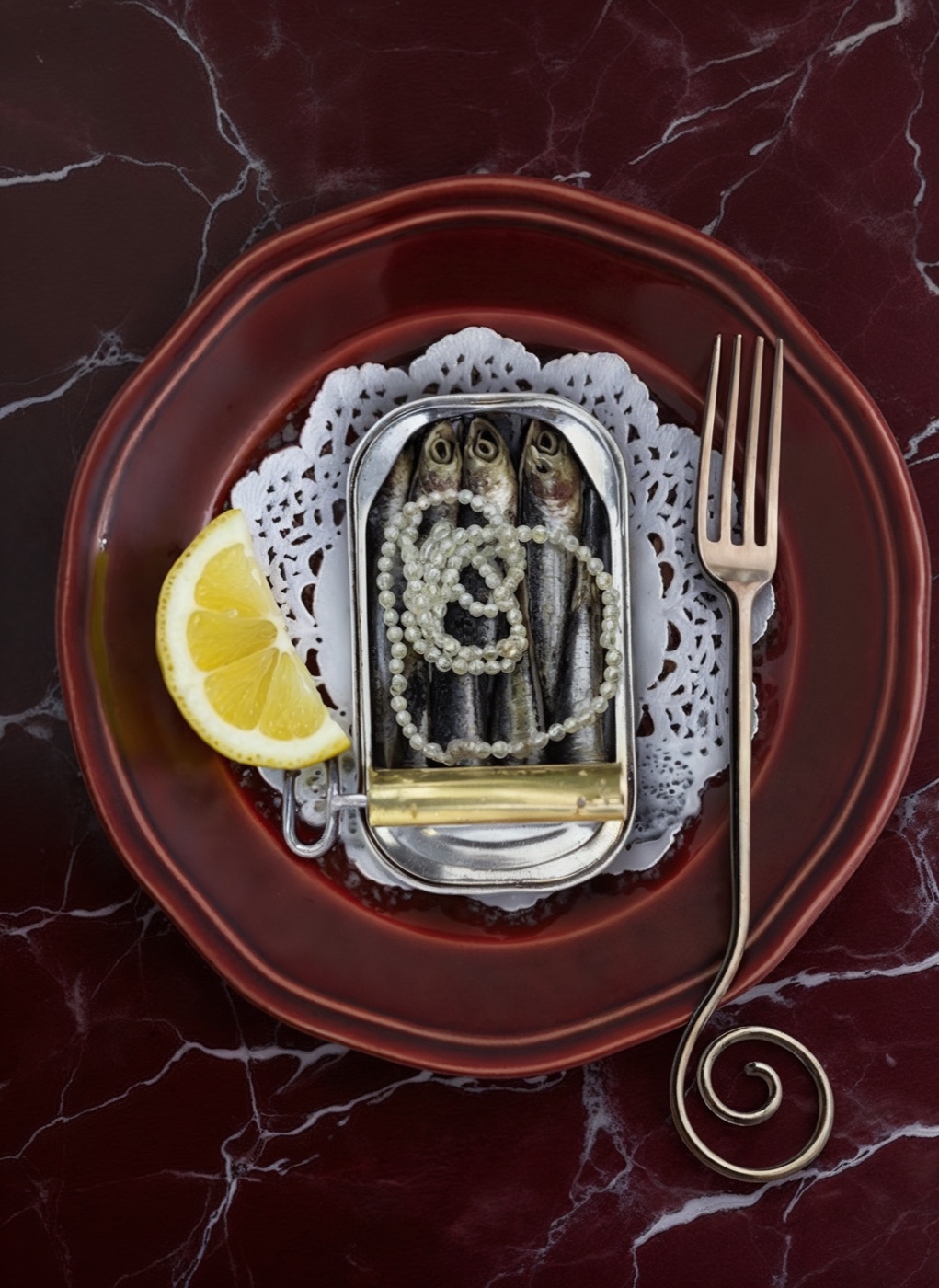
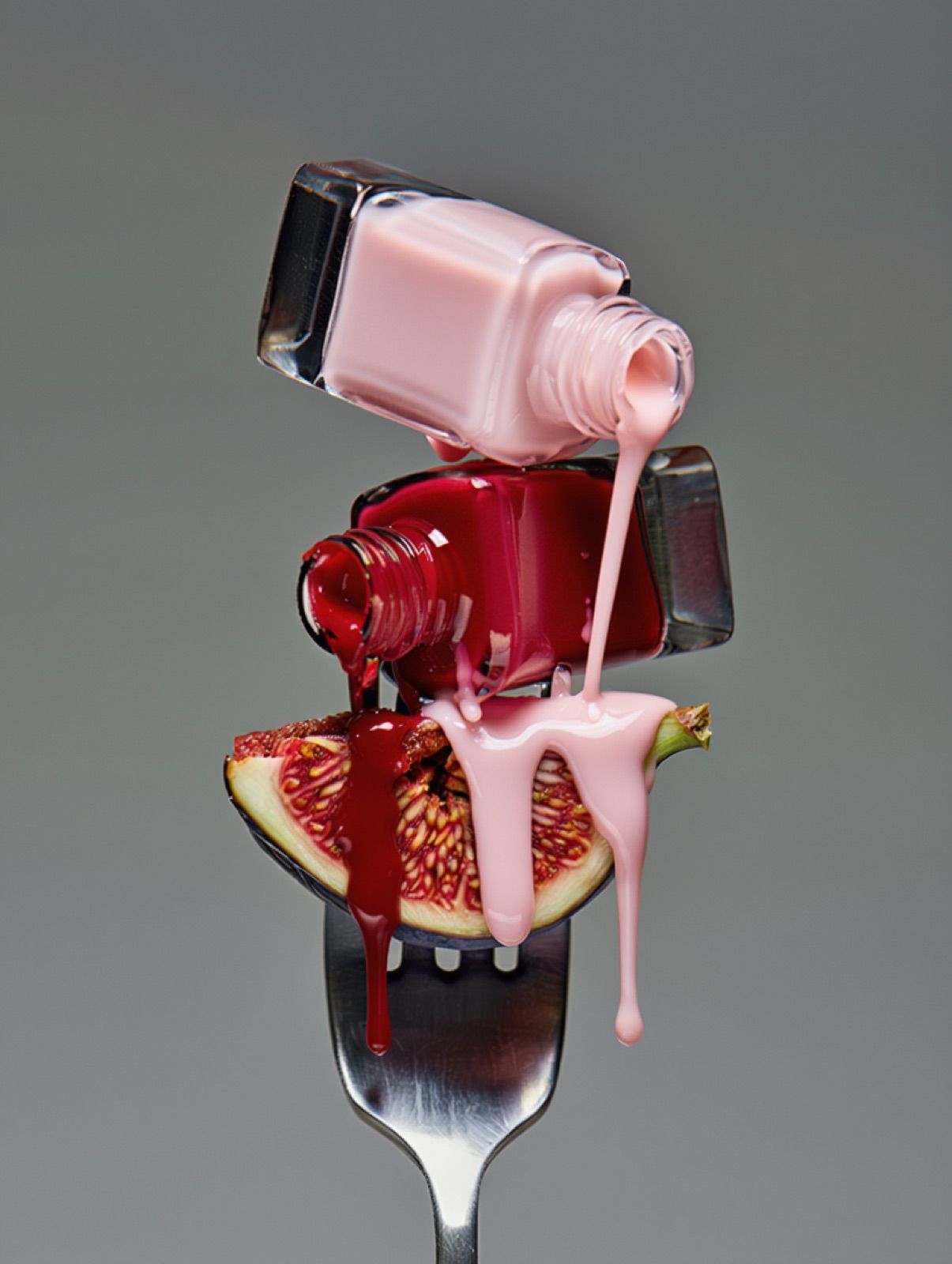
Art director og AI-artist. Tidligere &Co., nu repræsenteret af badland.tv.
Art direction
Anne Rosenvold Tygesen
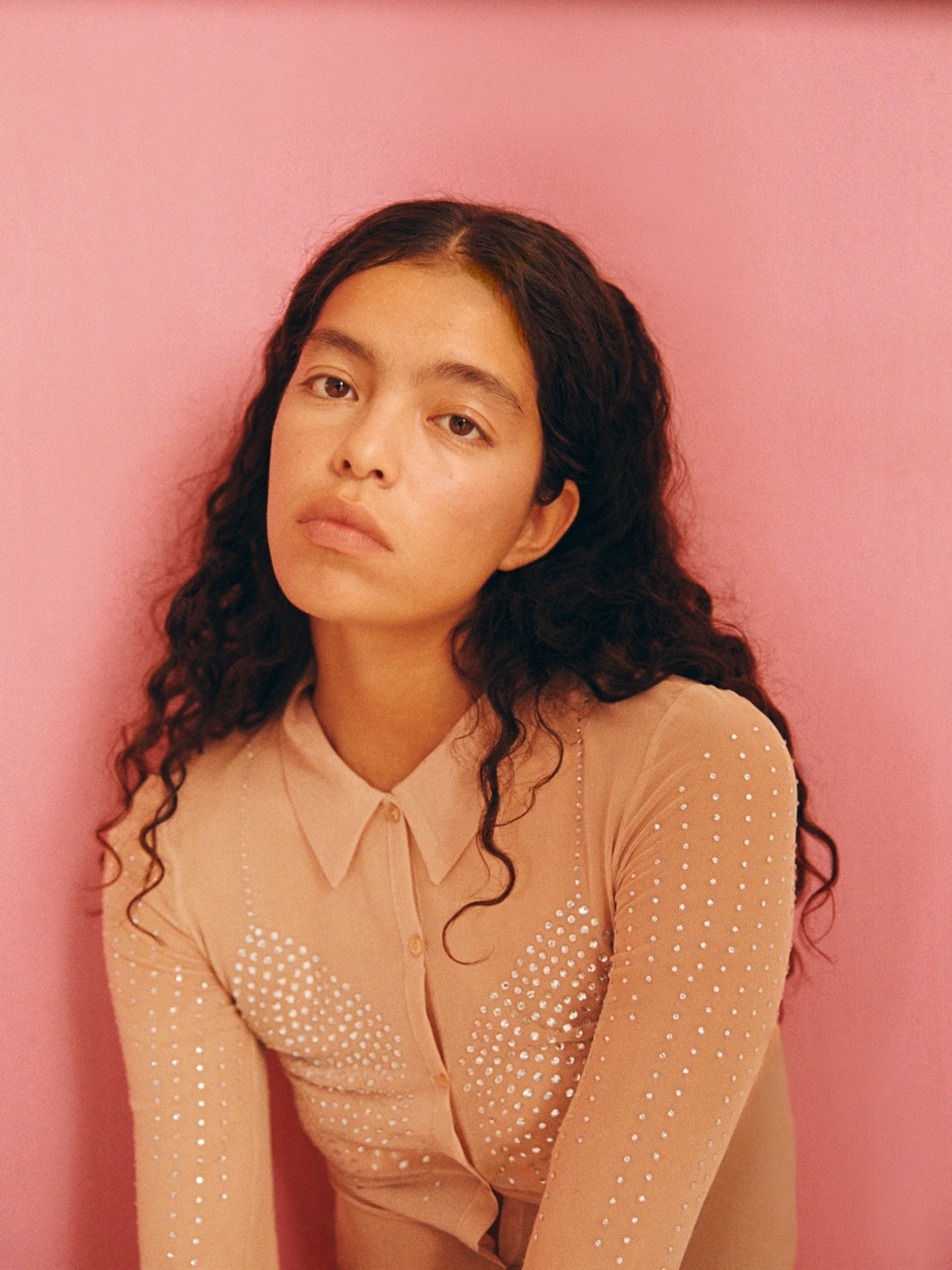
Designer med 20 år i modebranchen. Bygger nu visuelle universer med AI.

Art direction
Julie Rask
Billedskaber, der former stemning og bevægelse med generativ AI.
Arkitektur
Mathilde Friis Olsen
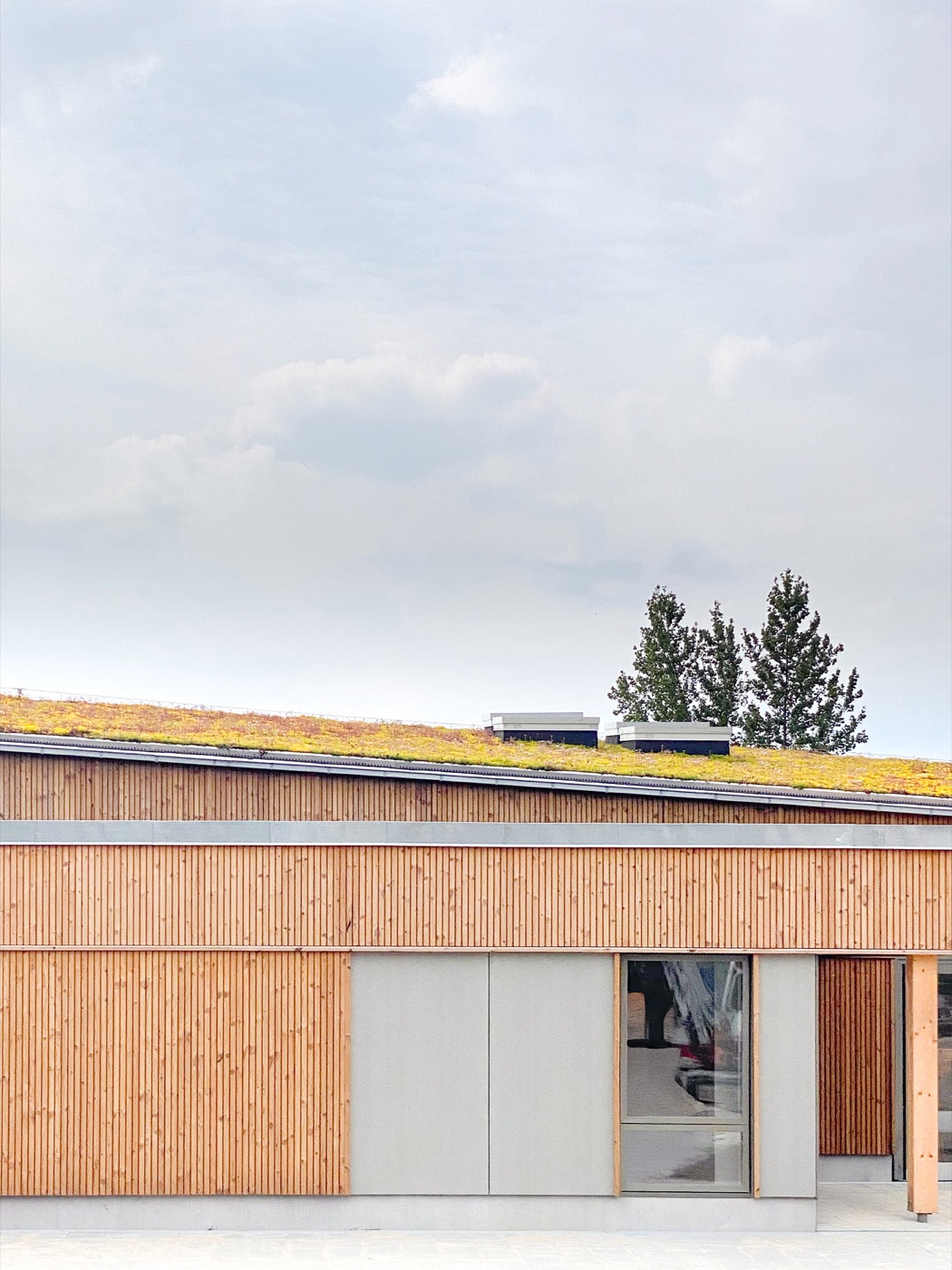
Visualiseringsarkitekt og portrætmaler. Vinder af Danmarks Bedste Portrætmaler.