Indretning & Design
Claibe
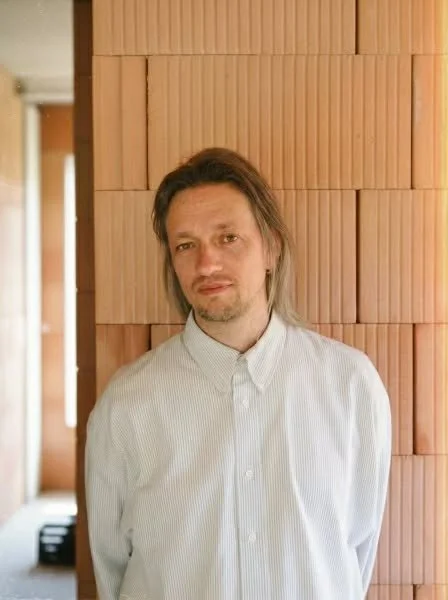
Mads Sætter-Lassen
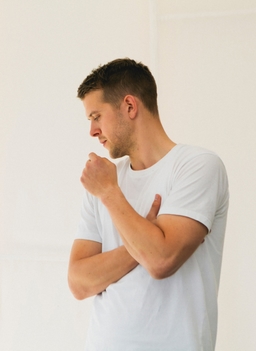
Mads Sætter-Lassen er medstifter af den københavnske designstudio Krøyer-Sætter-Lassen, grundlagt i 2016 og uddannet fra Det Kongelige Danske Kunstakademis designskole. Studiet skaber møbler, produkter og interiør for bl.a. Audo Copenhagen, Frama, +Halle og Glyptoteket. I en ellers old-school proces med skitser og fysiske modeller er Claibe blevet et hurtigt visualiseringsværktøj.
Når du beskriver jeres designproces hos Krøyer-Sætter-Lassen, hvordan folder den sig ud fra de første samtaler til det stående projekt, og hvilke greb præger jeres måde at udvikle form og retning?
Vores proces er rimelig old-school. Vi skitserer, proportionerer og bygger modeller, både som 3D-print og 1:1 papmodeller, og supplerer med CAD og rendering.
Relationer er afgørende. Vi prioriterer både det interne samarbejde og det langvarige forhold til kunderne. De bedste resultater kommer fra tillid og gode partnerskaber.
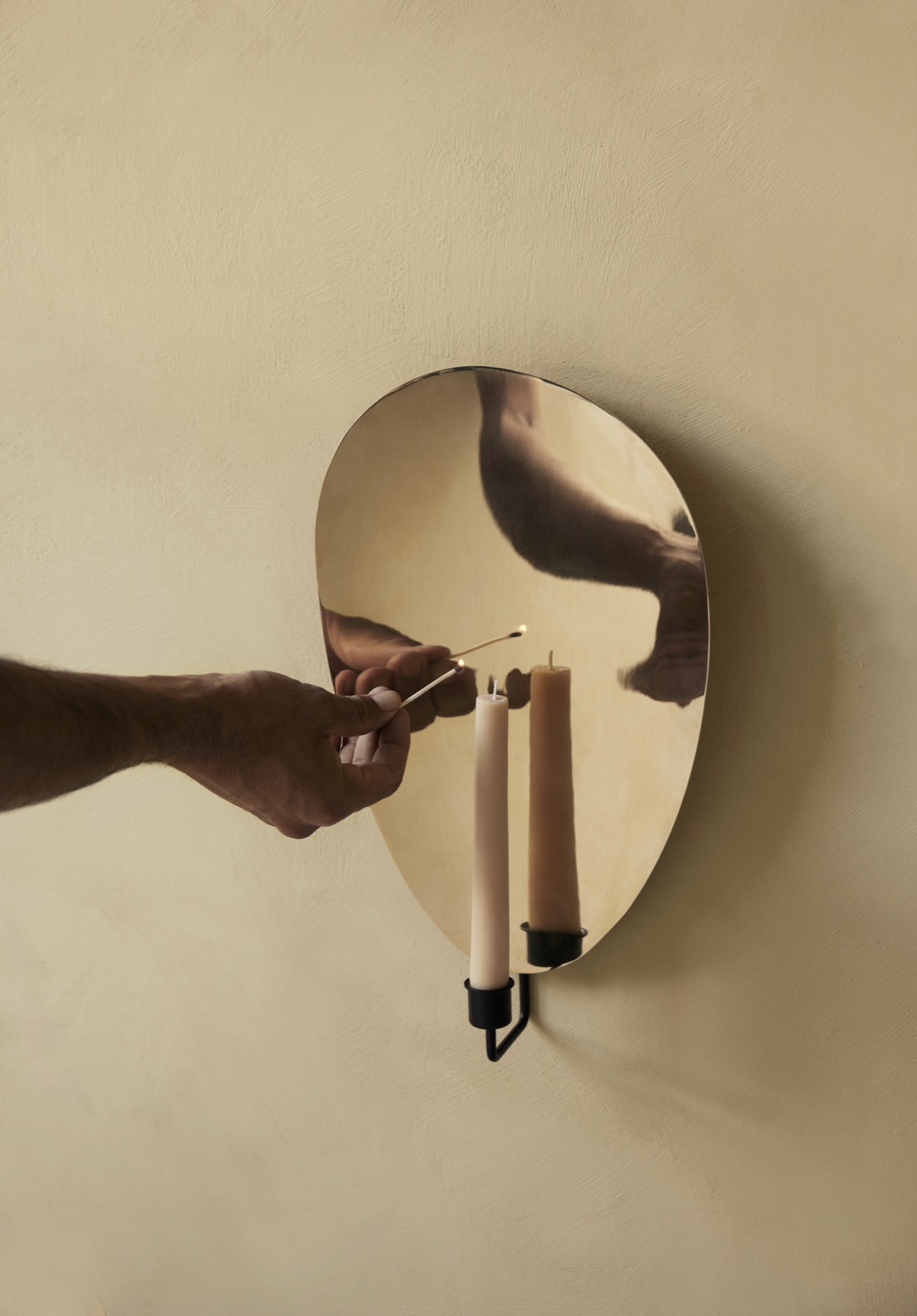
Hvordan arbejder I med at præsentere projekter for klienter, og hvilke greb bruger I for at skabe klarhed og involvering i forløbet?
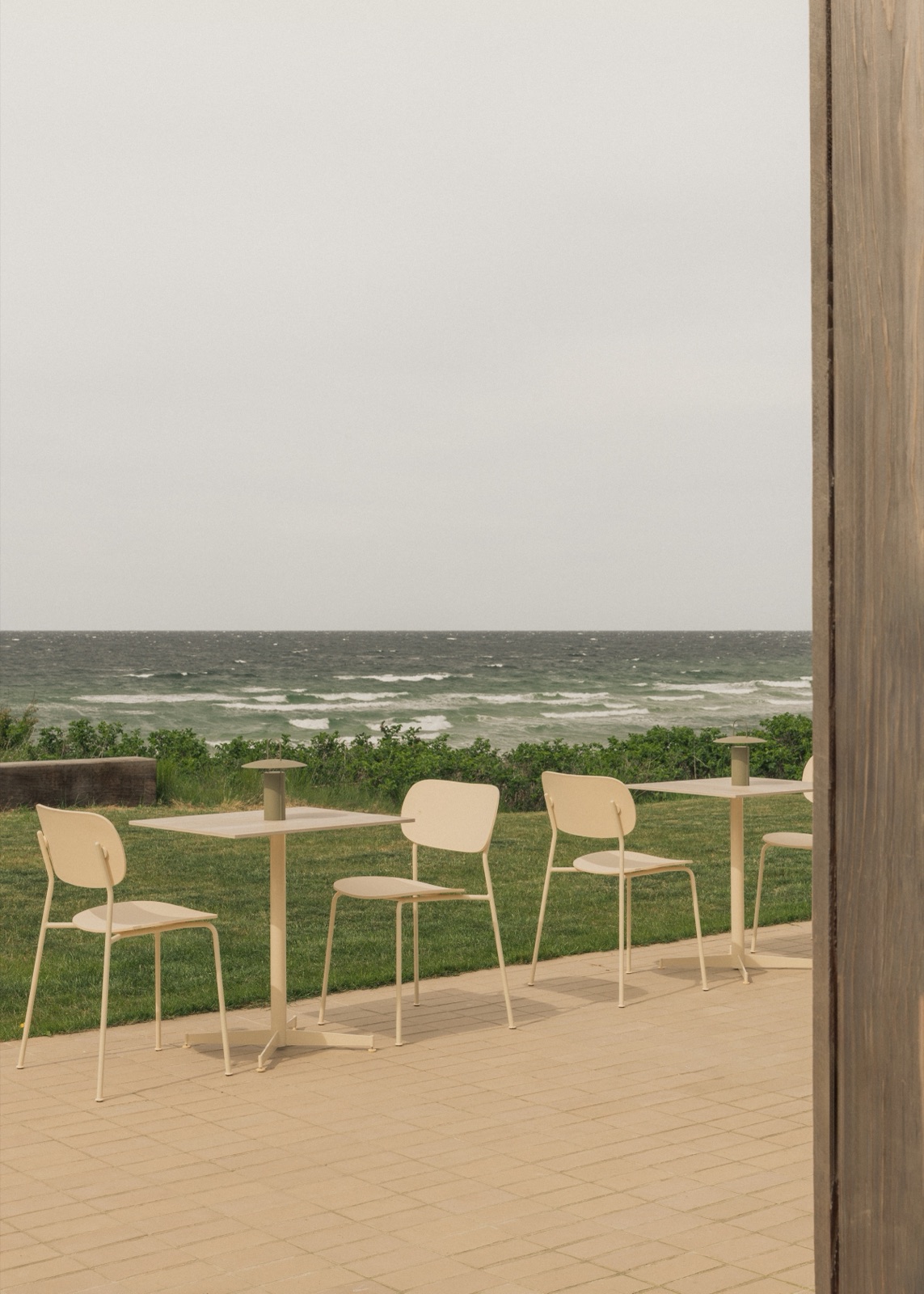
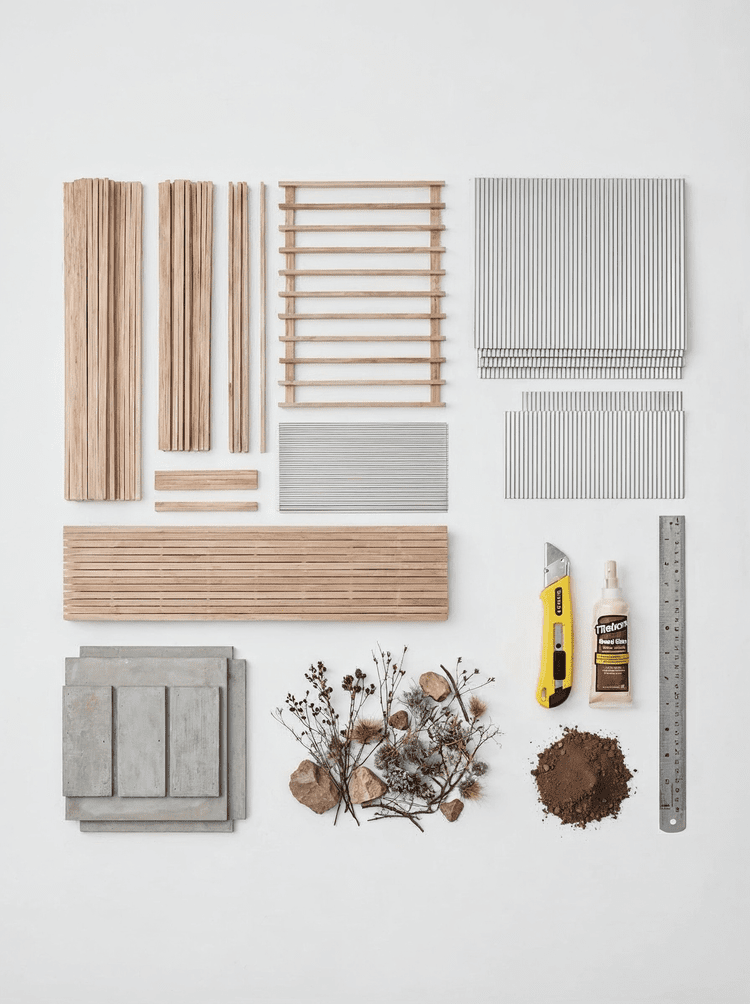
Vi kombinerer sanselige elementer som materialeprøver og 1:1 detaljer med fysiske modeller og 3D-visualiseringer. Det giver et klart billede af slutresultatet.
Da vi mødtes første gang hos Narrow og brugte Midjourney, dengang gennem Discord, var det et tidligt eksperiment. Hvad har ændret sig i jeres tilgang til billedskabelse og digital visualisering siden da?
Det var en voldsomt inspirerende dag, hvor vi så potentialet i billedgenerering. Men vi kom ikke rigtigt videre efterfølgende.
Det føltes for svært og tidskrævende, og jeg endte med "biker glasses" i stedet for "biker glasses". Så gennembruddet måtte vente.
På tegnestuen har I lavet projekter for Audo CPH, Glyptoteket og Henrik Vibskov. Hvilke spor arbejder I med lige nu, og hvilke typer opgaver søger du at udforske i den kommende tid?
Vi arbejder fortsat med møbler og produkter for eksisterende kunder, men har også åbnet op for nye samarbejder, især internationalt.
Derudover udforsker vi arkitektur i lille skala. Det er et område, vi gerne vil udvikle sideløbende med produkt- og interiørdesign.
Hvordan orienterer du dig i udviklingen omkring AI, og hvilke ubekendte fylder mest, når du ser fremad?
Vi har ikke orienteret os meget, selvom vi kan se, at det går hurtigt. Det er svært at afsætte tid til noget, der virker komplekst.
Der er også en frygt for, om der stadig bliver behov for os. Men vi ved, at AI bliver en del af værktøjskassen.
Bliver teknologi en forlængelse af vores sensibilitet, og hvordan skaber man en afstemt praksis, hvor output fortsat er noget man kan stå inde for?
De nye teknologier kan ikke erstatte de gamle. Fysiske modeller er afgørende, fordi noget kan ændre sig markant, når det bygges.
AI kan supplere og erstatte dele af praksis, men ikke den fysiske fornemmelse, der ligger i arbejdet.
Når du bruger Claibe, hvilke dele af dit arbejde oplever du at få mest ud af, og hvor ser du muligheder for at udvide værktøjets rolle?
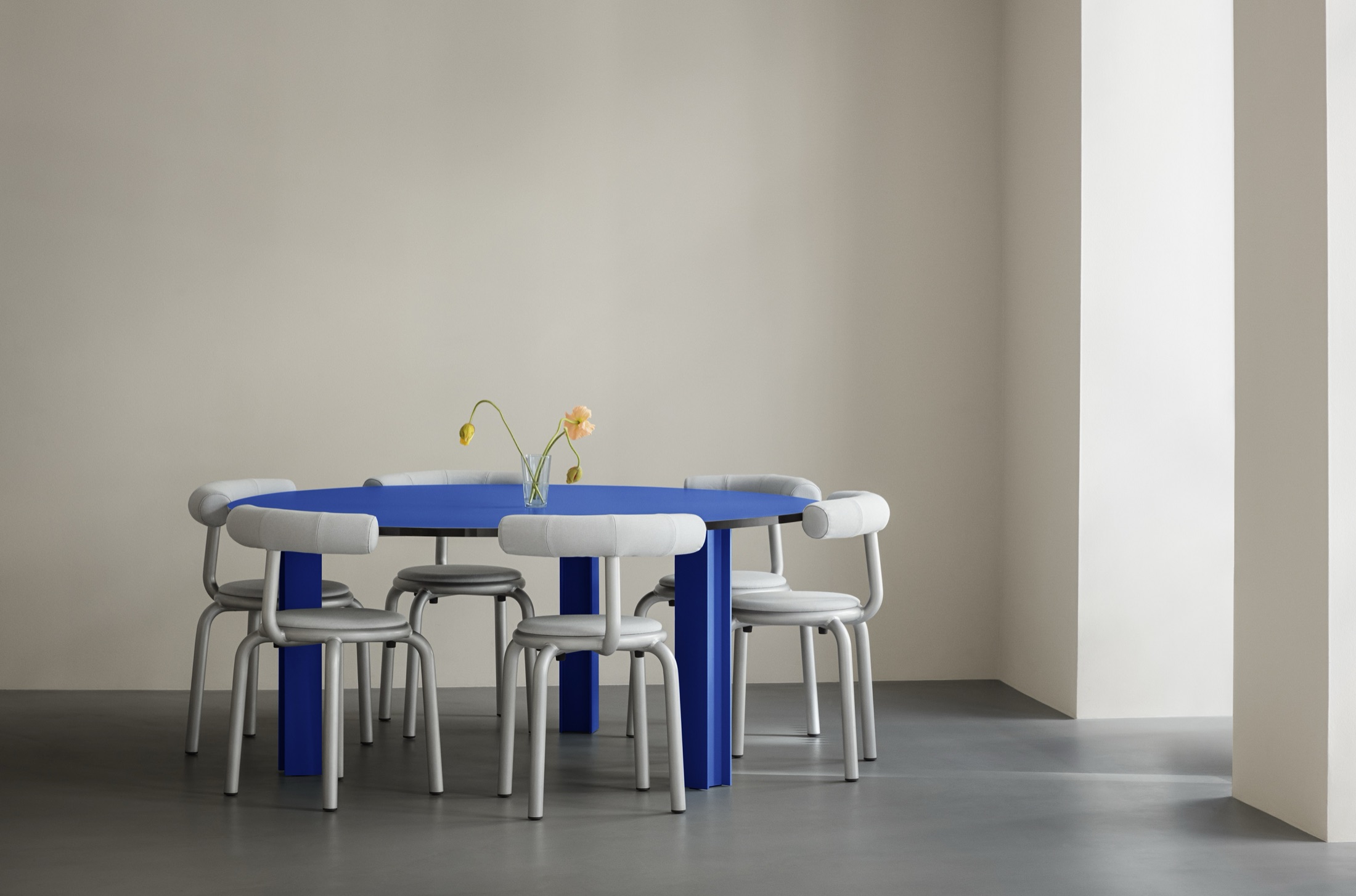
Claibe har næsten erstattet vores rendering-værktøjer til visualiseringer. Vi kan lægge materialer på stregtegninger og placere dem i miljøer hurtigt.
Jeg glæder mig til at bruge det endnu tidligere i processen og til at udvikle udvidelser på eksisterende produktfamilier.
Flere interviews
Se hvem der ellers arbejder kreativt med Claibe.
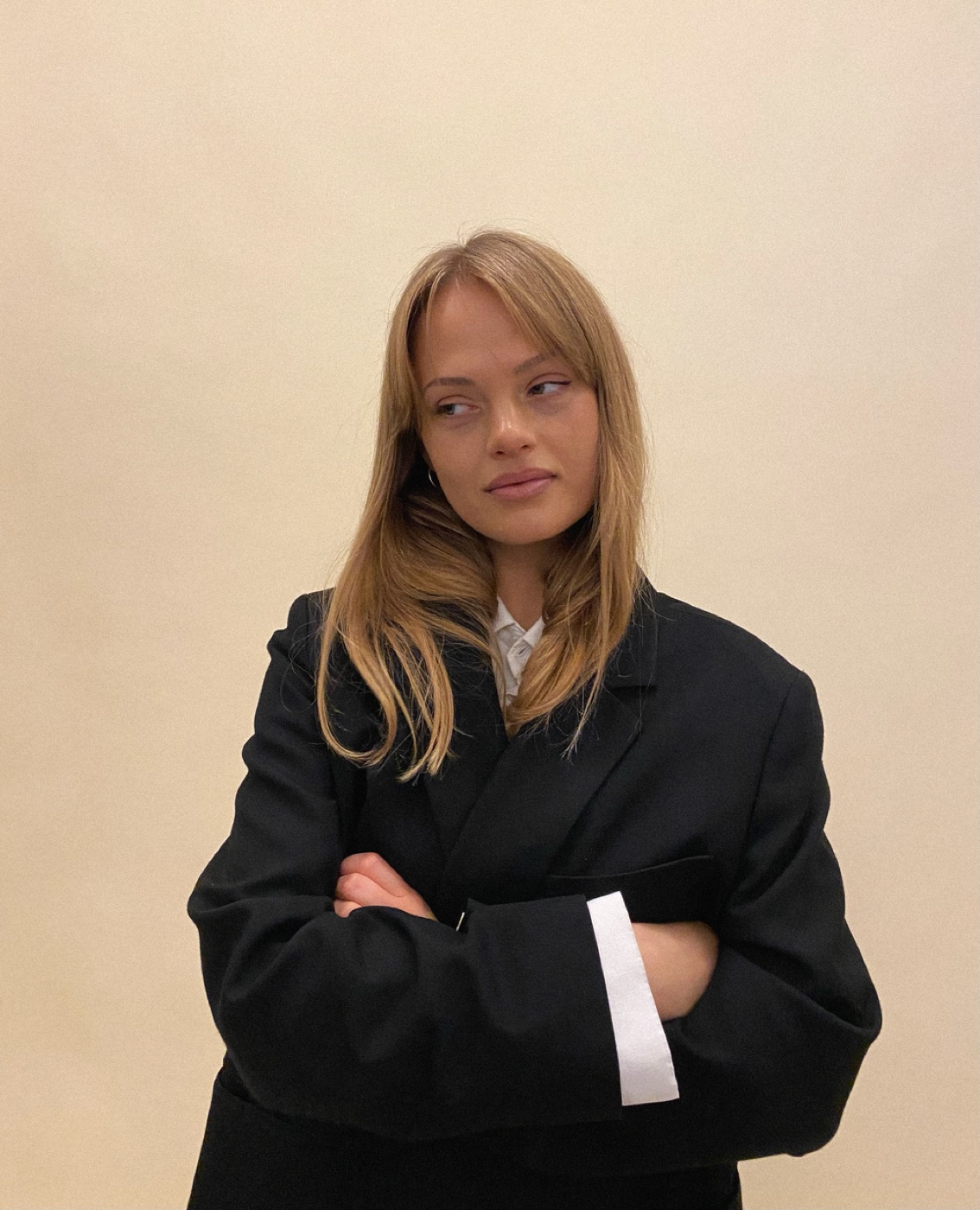
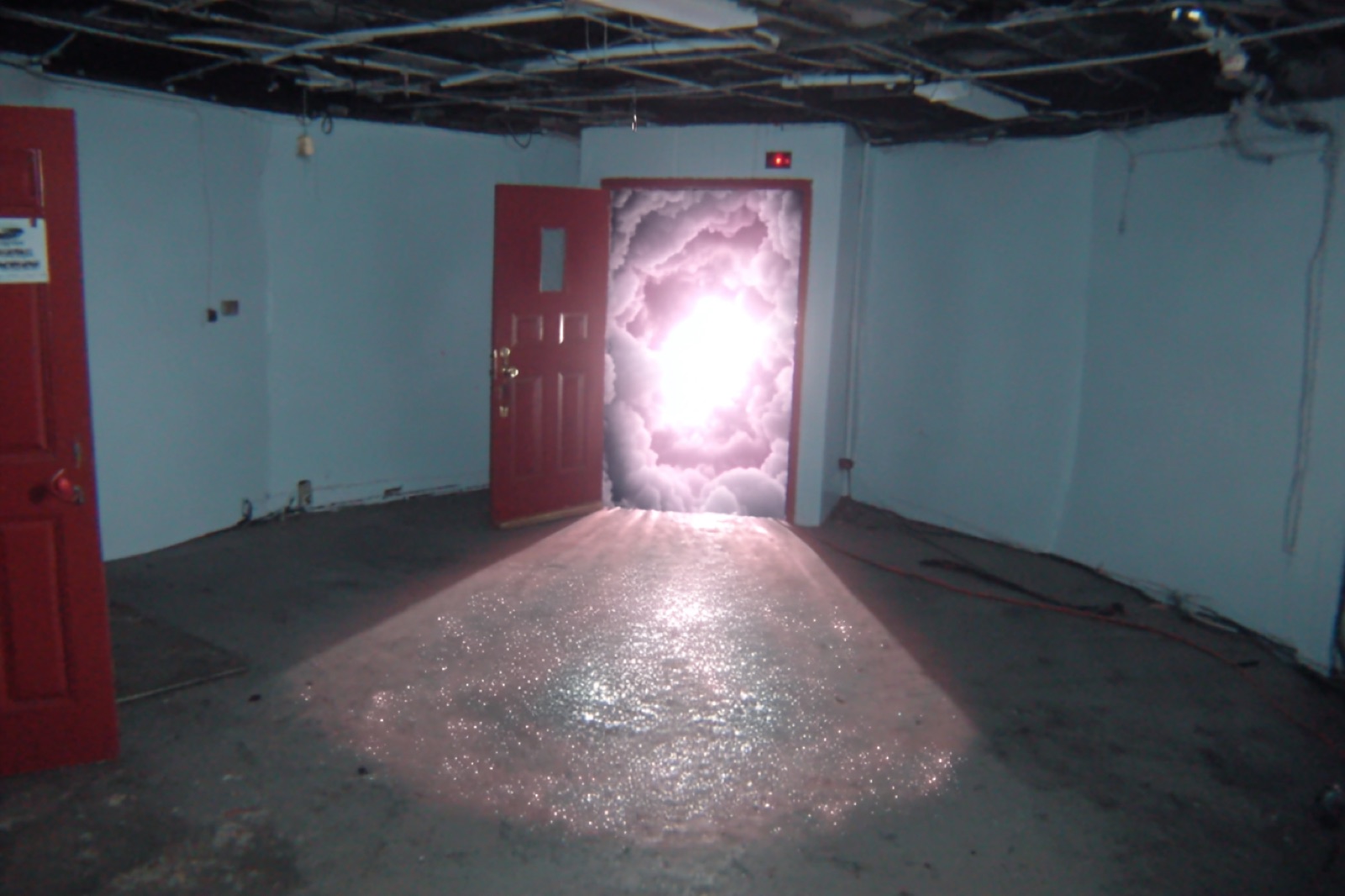
Art direction
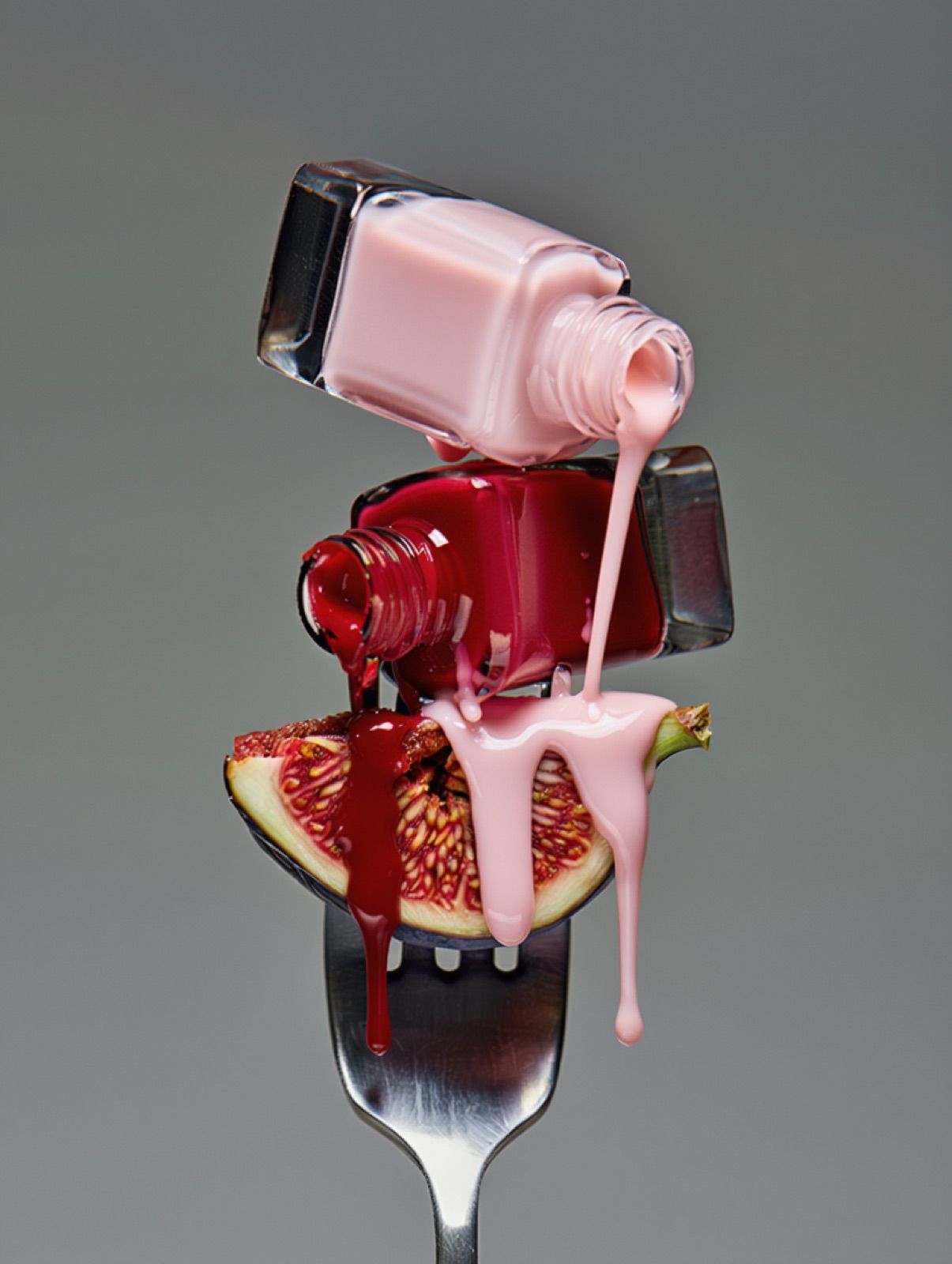
Sally Trier
Art director og AI-artist. Tidligere &Co., nu repræsenteret af badland.tv.
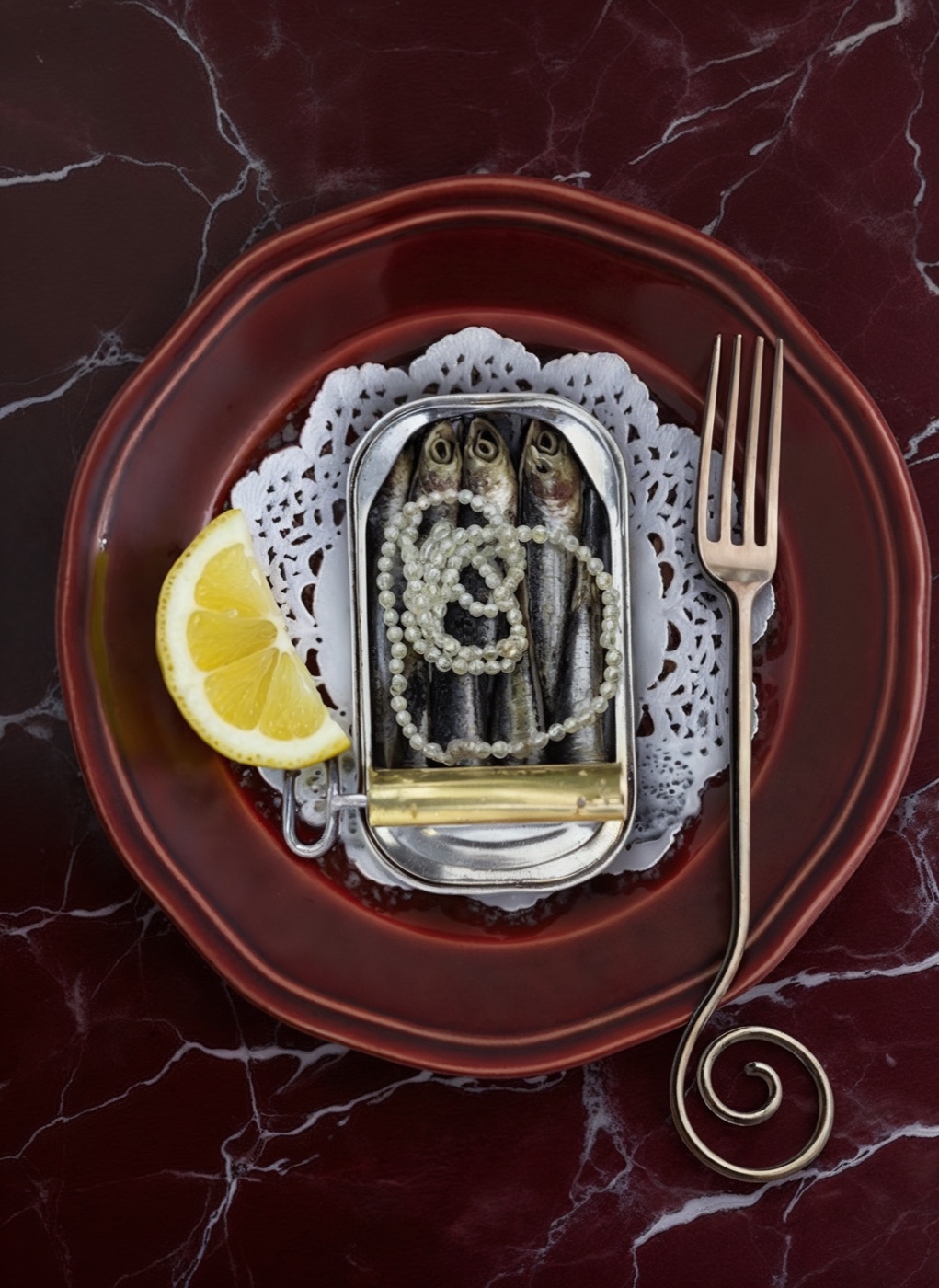
Art direction
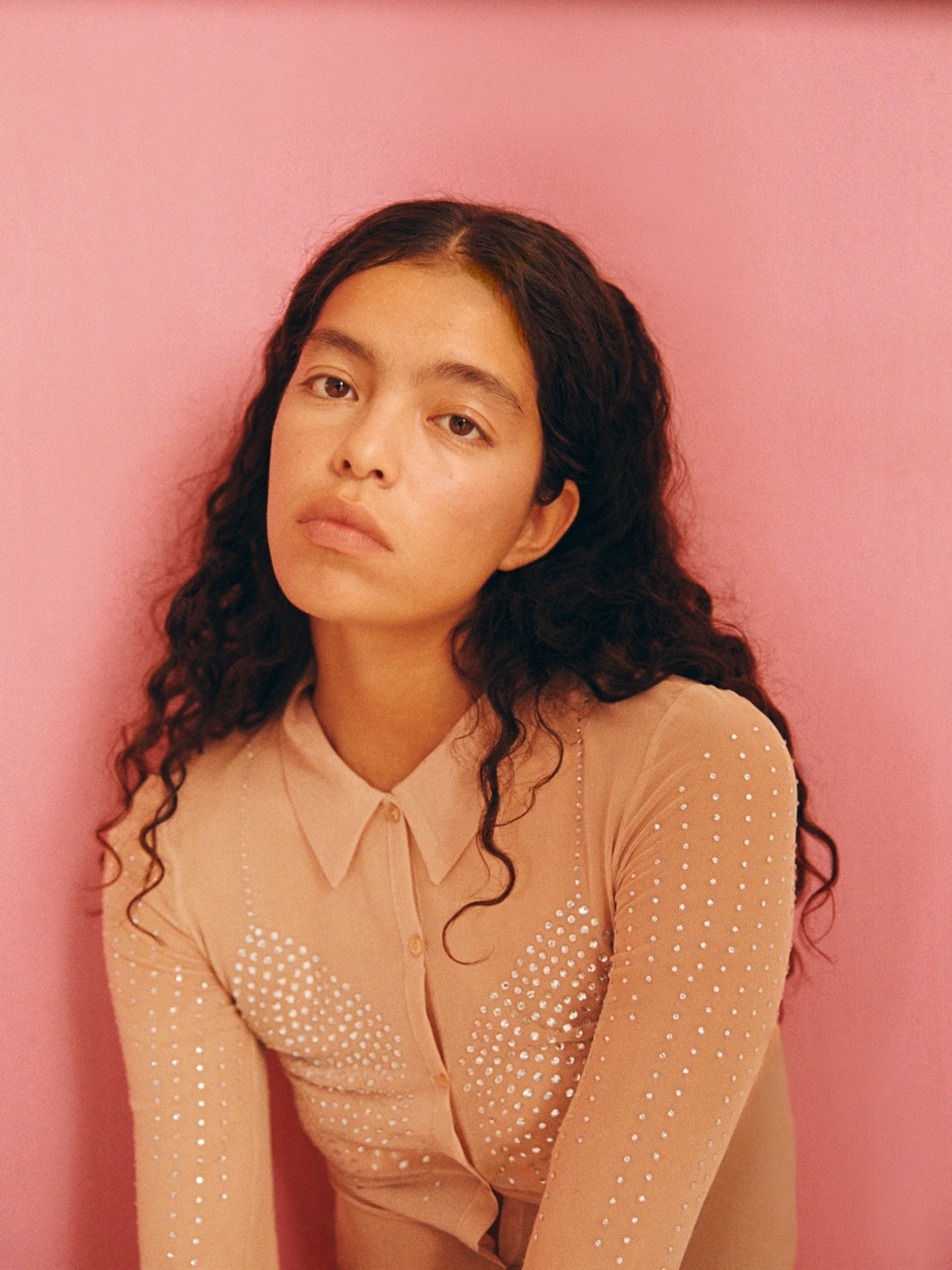
Anne Rosenvold Tygesen
Designer med 20 år i modebranchen. Bygger nu visuelle universer med AI.

Art direction
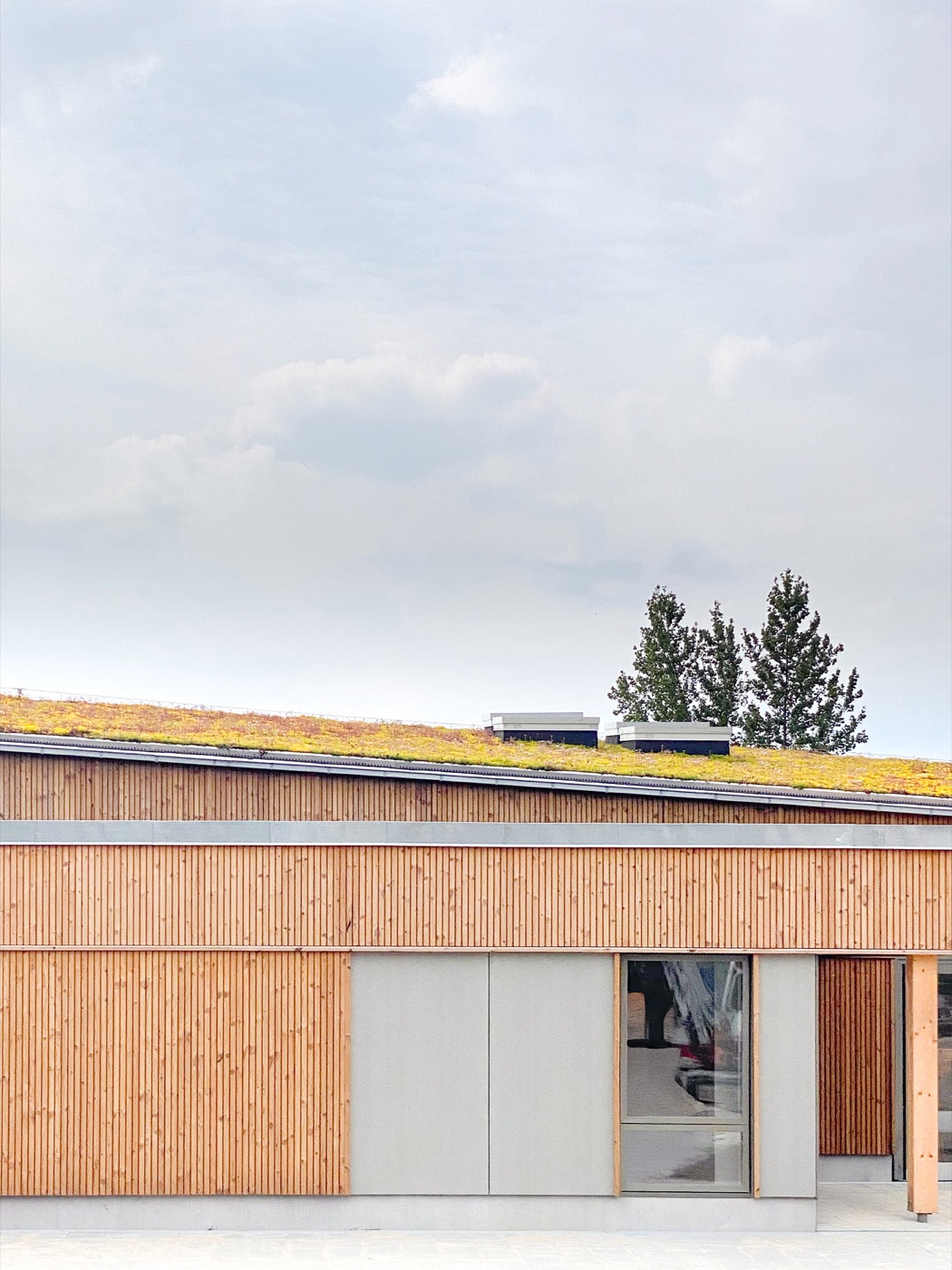
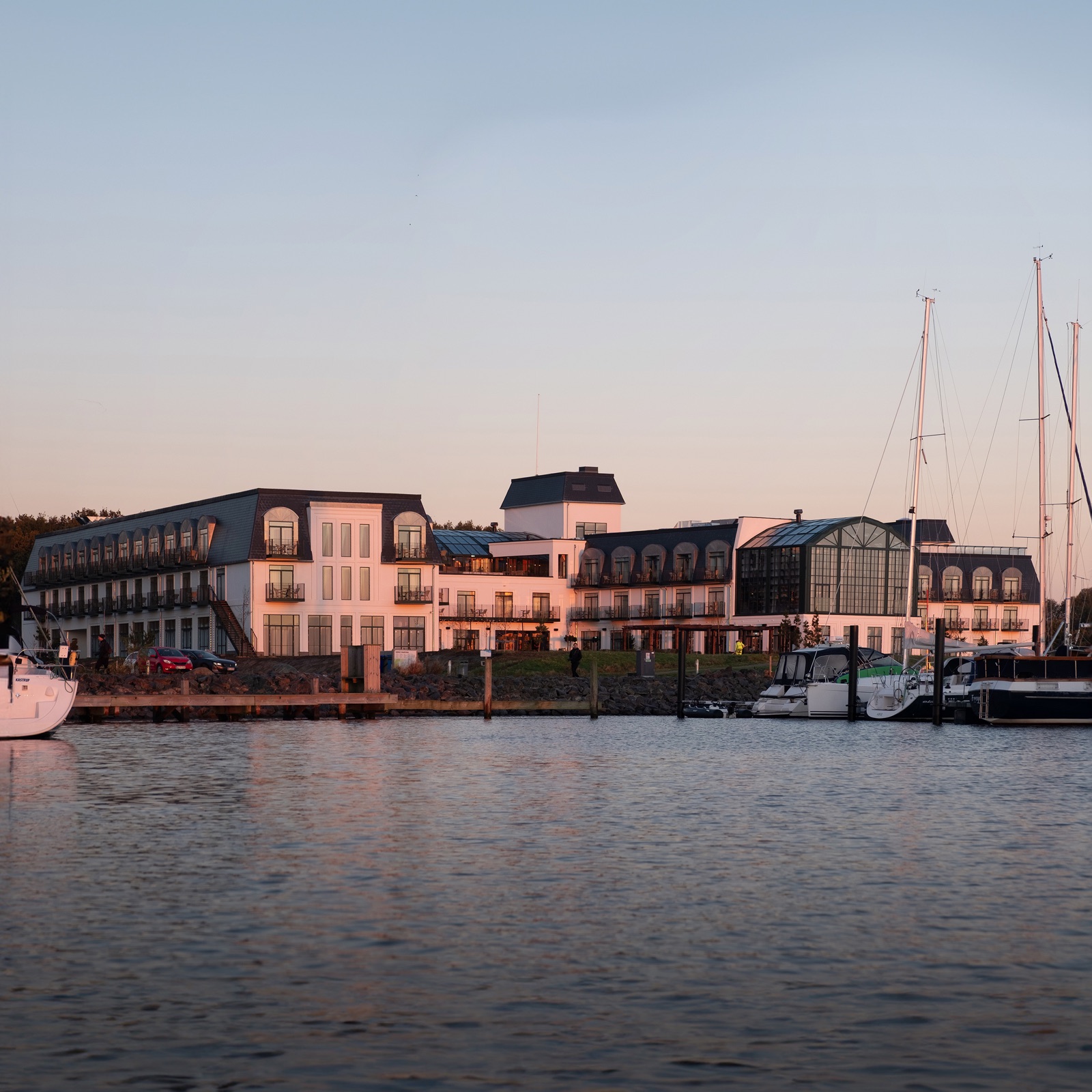
Julie Rask
Billedskaber, der former stemning og bevægelse med generativ AI.
Arkitektur
Mathilde Friis Olsen
Visualiseringsarkitekt og portrætmaler. Vinder af Danmarks Bedste Portrætmaler.
Arkitektur
Jon Andersen
Arkitekt og lektor ved Arkitektskolen Aarhus. Underviser i AI ved ARoS.