Art direction
Claibe
Anne Rosenvold Tygesen
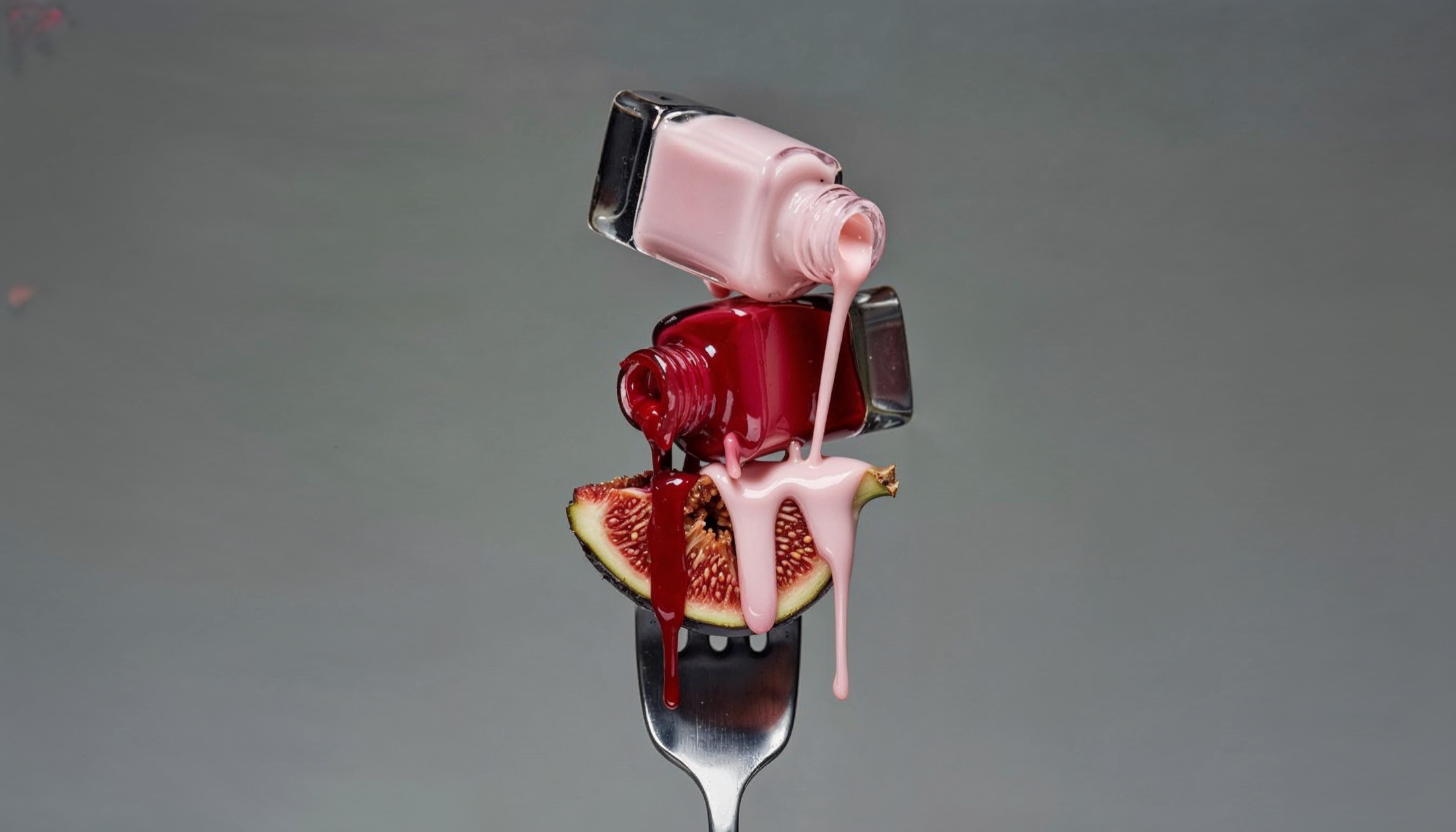
Anne Rosenvold Tygesen har omkring 20 år bag sig som designer og kreativ projektkoordinator i modebranchen. De seneste år har hun bevæget sig mod et mere visuelt udtryk og bruger Claibe til at omsætte idéer til professionelle billeder og konceptuelle universer, uden store produktioner.
Du har arbejdet i 20 år som designer og produktudvikler i modebranchen. Hvordan har det formet din tilgang til kreativitet?
Jeg har været kreativ hele mit liv, og det var helt naturligt at vælge en kreativ uddannelse. De 20 år som designer og kreativ projektkoordinator i modebranchen har formet mig og min måde at tænke på.
Når jeg er i en god kreativ proces, glemmer jeg tid og sted. Idéerne opstår i en kædereaktion, så ét design hurtigt leder til det næste.
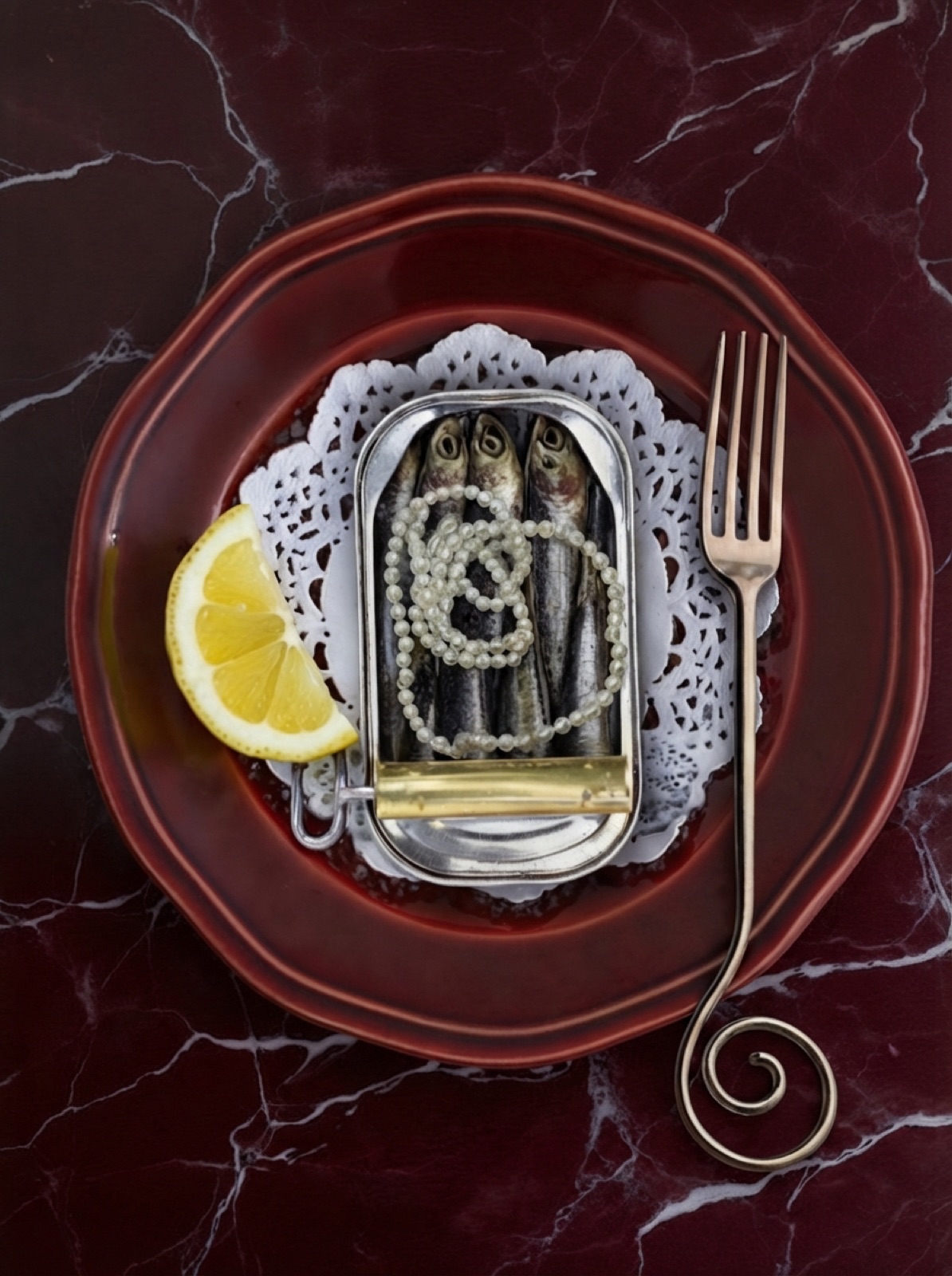
De seneste år har jeg haft brug for en pause fra tøj og bevæget mig mod et mere visuelt udtryk. Jeg bruger AI til at skabe gennemarbejdede universer og vise kunder, hvordan fx et køkken kan komme til at se ud.
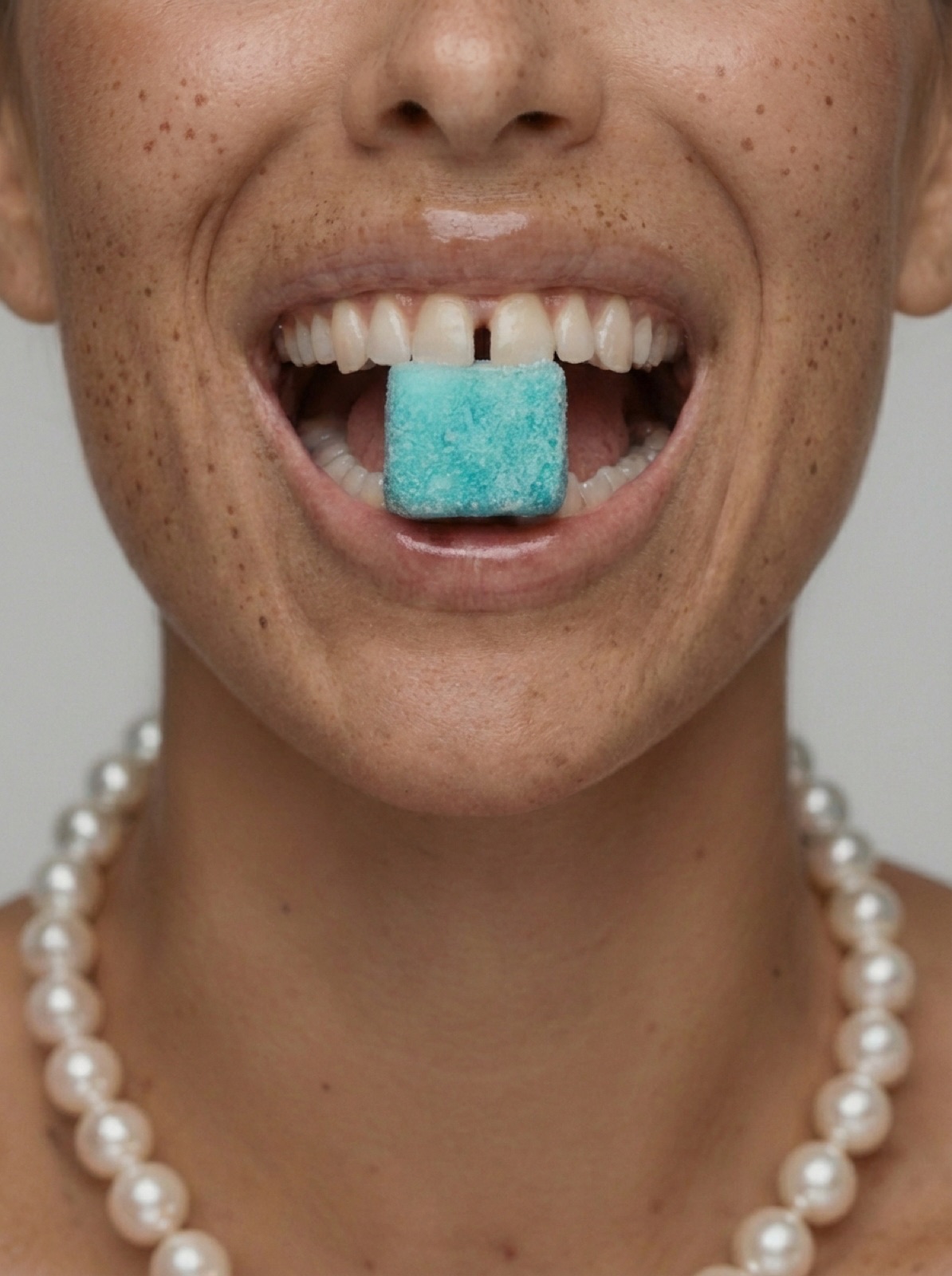
Du kom ind i AI-verdenen uden tidligere erfaring via et kursus. Hvordan oplevede du det første møde med teknologien, og hvad skete der i dit arbejde, da du begyndte at bruge Claibe aktivt?
Jeg var skeptisk og lidt bange for AI, men samtidig nysgerrig. Efter at have set, hvor realistiske billeder man kunne skabe, besluttede jeg at investere i et 3-dages kursus, og det viste sig at være en god beslutning.
Jeg var helt grøn, men Claibe var hurtigt at forstå. Efter kort tid sad vi og eksperimenterede, og jeg kunne allerede skabe brugbare resultater.
Det var en øjenåbner at opdage, hvor meget der kan lade sig gøre med de rigtige prompts. Jeg kunne endelig skabe de visuelle udtryk, jeg havde i hovedet.
Hvilke a-ha øjeblikke har du haft i mødet med Claibe, og hvordan påvirker platformens kontrol over komposition din måde at skabe på?
Jeg har haft utallige a-ha oplevelser. Det føles som en forløsning at kunne skabe billeder uden at skulle arrangere store fotoskydninger.
Jeg blev hurtigt fanget af processen og sad aften efter aften og byggede koncepter. Det var enormt tilfredsstillende at se idéerne materialisere sig.
Jeg oplever, at det meste kan lade sig gøre med de rette prompts. Hvis noget ikke lykkes, prøver jeg en ny tilgang og finder en løsning.
Når du udvikler nye koncepter, hvor i dit forløb introducerer du produkter, og hvordan ser din kreative proces ud i samspillet med AI?
Det afhænger af projektet. Nogle gange ved jeg præcis, hvilket produkt jeg vil arbejde med, andre gange opstår retningen undervejs.
Jeg starter ofte med inspiration og retning, men skøjter rundt mellem idéer, indtil der opstår et univers, jeg vil arbejde videre med.
For nylig skabte jeg et helt fiktivt rum til et brand. Med få prompts, og lidt justeringer undervejs, ramte jeg præcis den vision, jeg havde.
Du har fået lyst til at udforske art direction i højere grad. Hvordan bruger du Claibe til at udvide din visuelle tænkning, og hvilke projekter vil du fokusere på fremadrettet?
Jeg har fundet min nye kreative retning. Claibe hjælper mig med at omsætte idéer til stærke visuelle koncepter, som afspejler min æstetik og måde at tænke på.
Jeg vil gerne udvikle kampagner og visuelt materiale for brands inden for mode, beauty og smykker. AI er ikke længere en trussel for mig, men et uundværligt værktøj.
Flere interviews
Se hvem der ellers arbejder kreativt med Claibe.
Indretning & Design
Mads Sætter-Lassen
Medstifter af Krøyer-Sætter-Lassen. Møbler, produkter og interiør fra København.
Art direction
Sally Trier
Art director og AI-artist. Tidligere &Co., nu repræsenteret af badland.tv.
Art direction
Julie Rask
Billedskaber, der former stemning og bevægelse med generativ AI.
Arkitektur
Mathilde Friis Olsen
Visualiseringsarkitekt og portrætmaler. Vinder af Danmarks Bedste Portrætmaler.
Arkitektur
Jon Andersen
Arkitekt og lektor ved Arkitektskolen Aarhus. Underviser i AI ved ARoS.