Arkitektur
Claibe
Mathilde Friis Olsen
Mathilde Friis Olsen er visualiseringsarkitekt og portrætmaler, uddannet fra Det Kongelige Danske Kunstakademis Arkitektskole i 2018. I 2024 vandt hun DR's 'Danmarks Bedste Portrætmaler'. Gennem Mathilde Olsen Visuals bruger hun Claibe til at teste materialer og stemninger tidligt i den arkitektoniske proces.
Hvordan har din uddannelse og erfaring som konkurrencearkitekt formet din måde at tænke visualiseringer på?
Jeg startede på arkitektskolen, fordi jeg elsker at tegne og fortælle historier visuelt med materialer, lys og stemning.
Jeg vil altid vise projektet gennem brugerens øjne og formidle det fulde potentiale med stemningsfulde billeder.
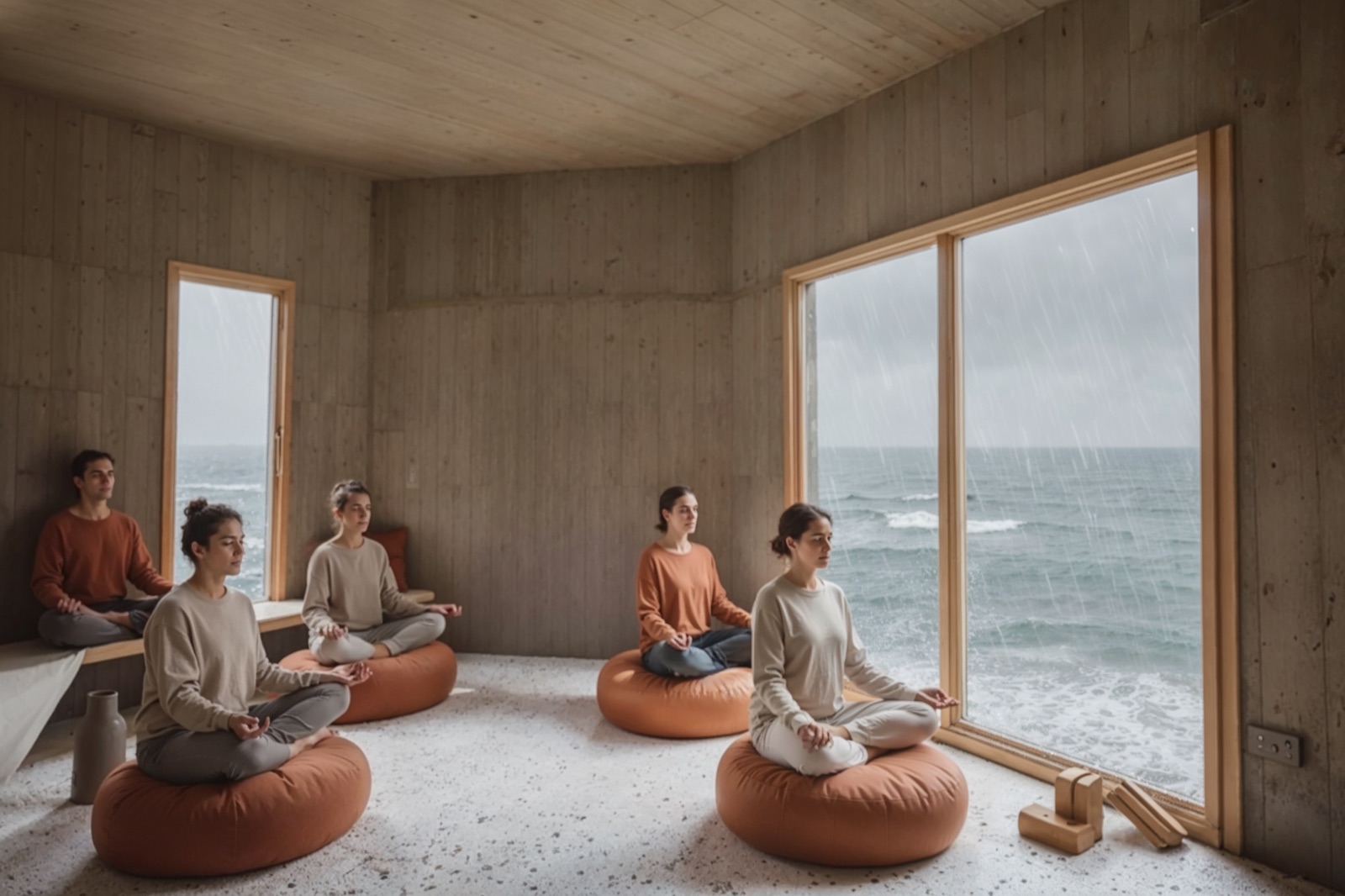
Kan du beskrive perioden hvor du skiftede fokus til et mere kunstnerisk spor, og hvordan mødet med AI genantændte lysten til at udforske visualiseringer på ny?
Efter to år som Head of Architecture hos Maanesten valgte jeg en kreativ modpol som portrætmaler, efter at have vundet Danmarks Bedste Portrætmaler i 2024.
AI blev et værktøj til at skabe referencebilleder til mine kunstværker og en ny måde at strukturere processen som et photoshoot.
Da AI-værktøjerne fik redigeringsmuligheder, så jeg potentialet for at arbejde ud fra skitser og modeller uden lange renderingsprocesser. Det førte til Mathilde Olsen Visuals.
Hvordan ser din proces ud i dit nuværende arbejde med visualiseringer for tegnestuer, og hvilke erfaringer har du gjort dig i det seneste år?
Jeg holder altid et indledende møde, hvor vi afklarer stemning og antal visualiseringer.
Hvis der ikke findes en 3D-model, laver jeg en simpel volumenmodel eller arbejder ud fra fotos og skitser.
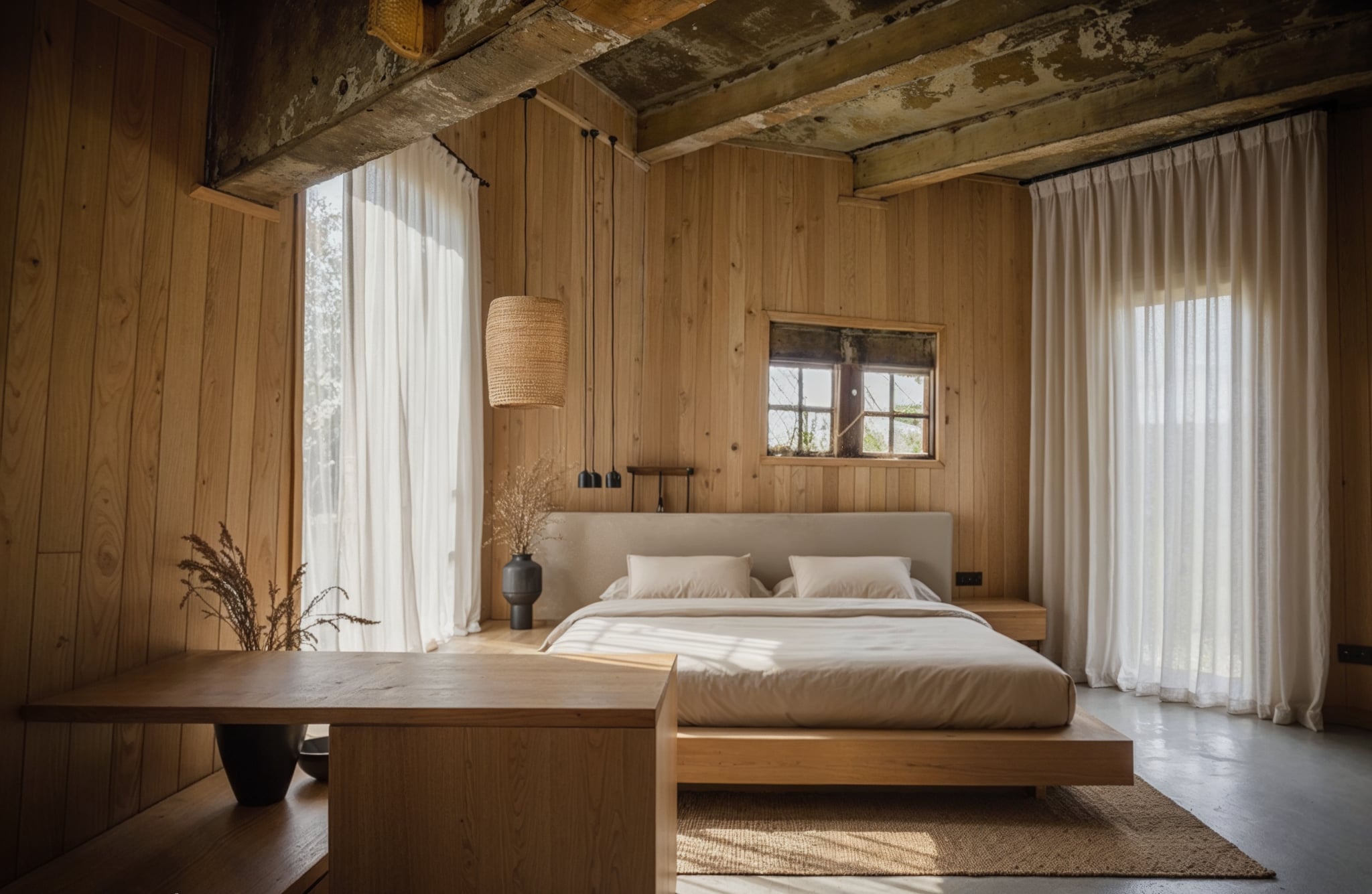
Jeg kombinerer forskellige værktøjer alt efter materiale, og Claibe har især potentiale til at ændre materialer og møbler direkte i fotos.
Hvordan arbejder du med håndskitser, kollage og hybride metoder i dit daglige flow?
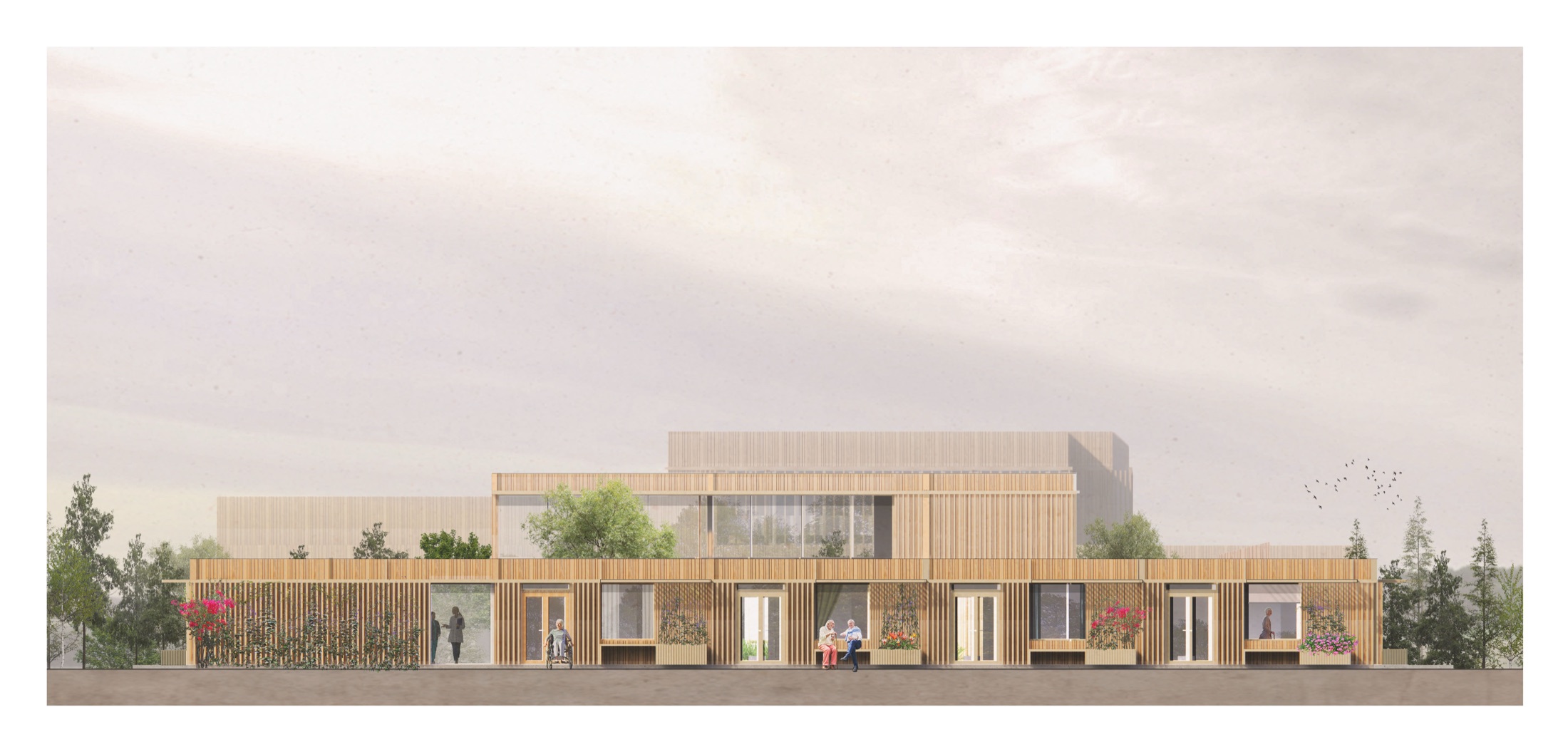
I konkurrencer har jeg haft stor glæde af at kombinere tegningsmateriale, visualiseringer og håndtegnede illustrationer.
Metoderne understøtter hinanden og skaber en komplet fortælling, som i Børnehuset Olympen i Gladsaxe.
Jeg lægger vægt på at understøtte projektets brandidentitet, uanset om det er akvarel, collage eller realistiske visualiseringer.
Hvilke nye muligheder eller perspektiver er opstået for dig efter mødet med Claibe?
Claibe er arkitektens fintunede værktøjskasse med workflows, der giver gode resultater hurtigt.
Jeg ser stort potentiale i at rense et foto skridt for skridt og bygge et nyt design op uden 3D-modellering.
Vekselvirkningen mellem foto og akvarel giver et åbent udtryk, der senere kan realiseres i realistiske visualiseringer.
I hvilke dele af en arkitekts proces med visuel kommunikation oplever du, at AI kan spille en meningsfuld rolle?
AI gør det muligt at tale om materialer og koncept tidligt og sikre fælles forståelse af stil og udtryk.
Det kan også kombinere forskellige referencer, så kunden ser det i en realistisk kontekst.
Visualiseringsafdelinger er ofte flaskehalse, og AI kan hjælpe med hurtige rettelser uden nye renderingsrunder.
Flere interviews
Se hvem der ellers arbejder kreativt med Claibe.
Indretning & Design
Mads Sætter-Lassen
Medstifter af Krøyer-Sætter-Lassen. Møbler, produkter og interiør fra København.
Art direction
Sally Trier
Art director og AI-artist. Tidligere &Co., nu repræsenteret af badland.tv.
Art direction
Anne Rosenvold Tygesen
Designer med 20 år i modebranchen. Bygger nu visuelle universer med AI.
Art direction
Julie Rask
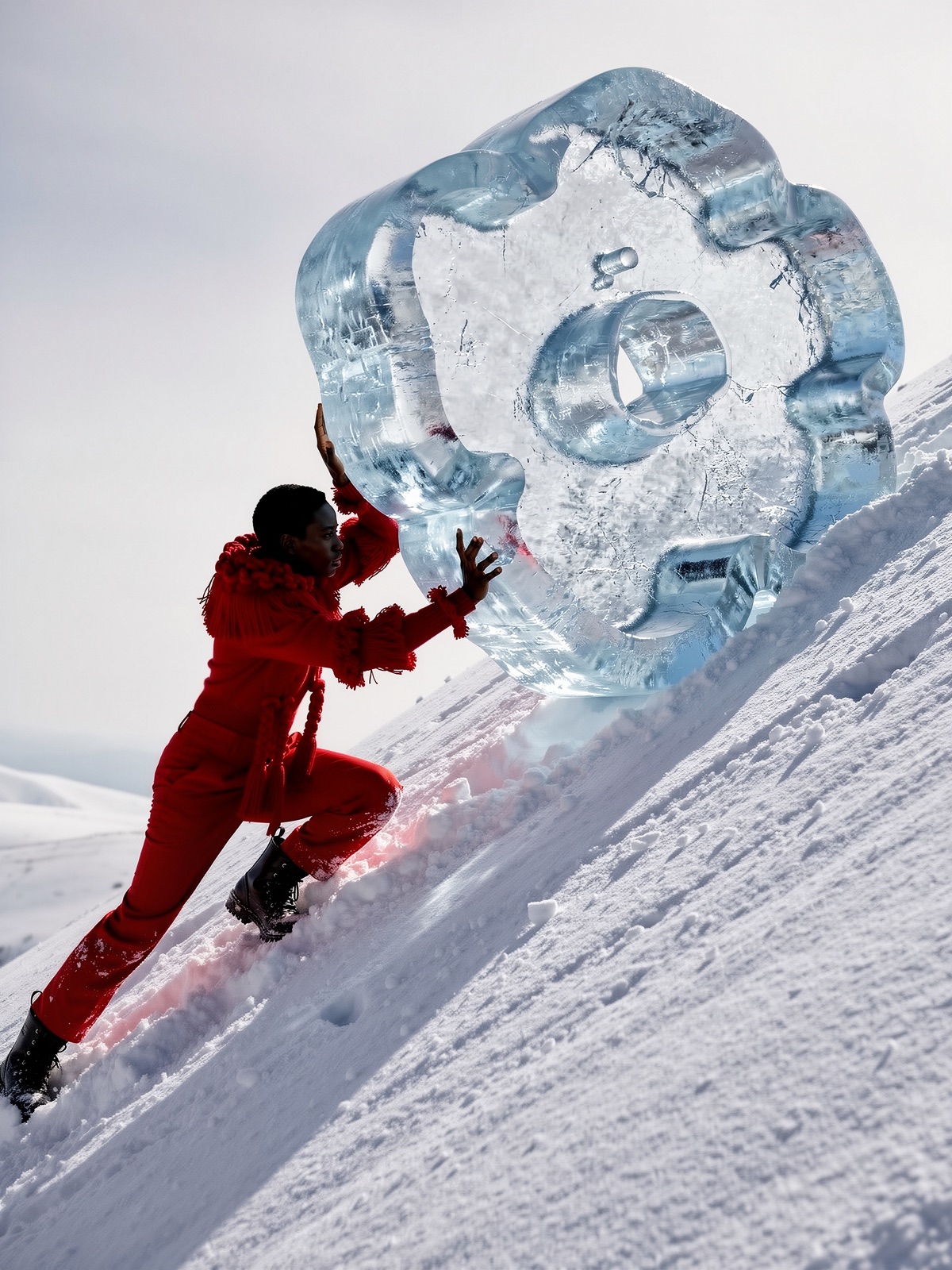
Billedskaber, der former stemning og bevægelse med generativ AI.
Arkitektur
Jon Andersen
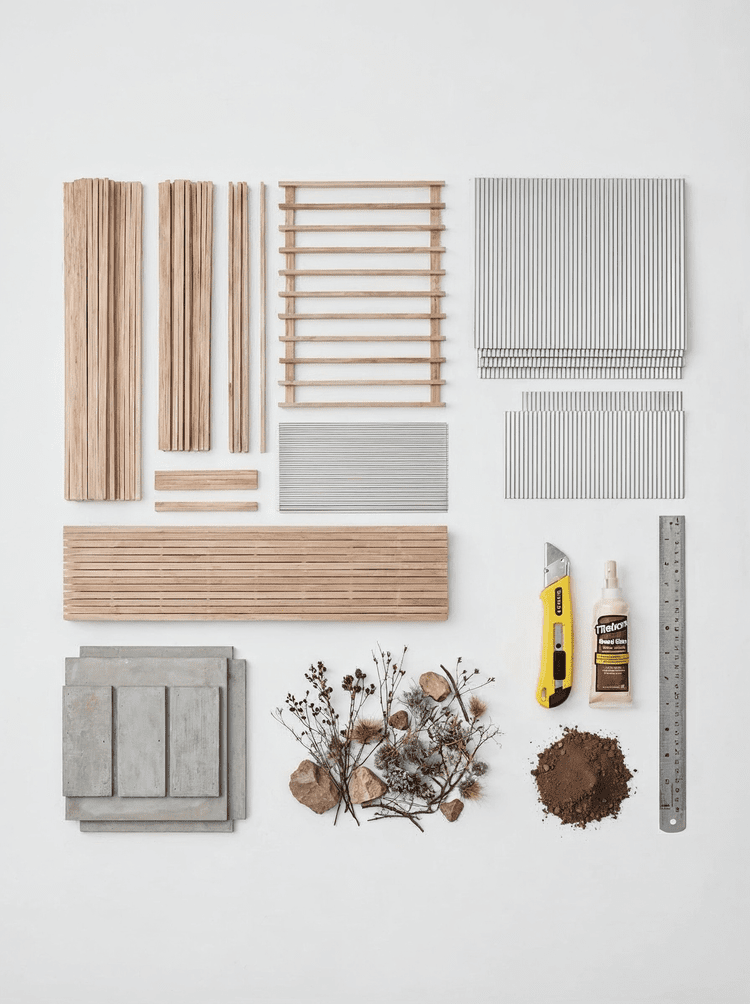
Arkitekt og lektor ved Arkitektskolen Aarhus. Underviser i AI ved ARoS.