Interior & Design
Claibe
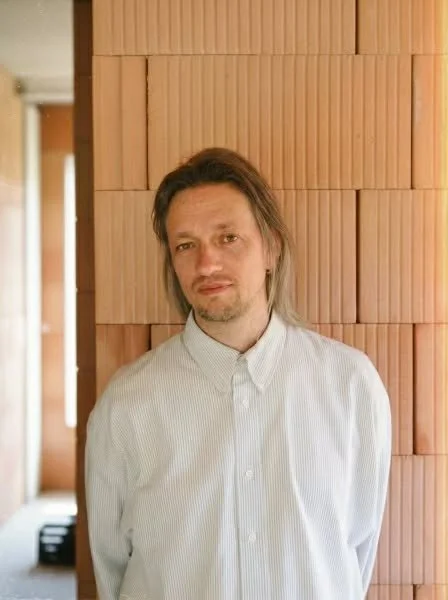
Mads Sætter-Lassen
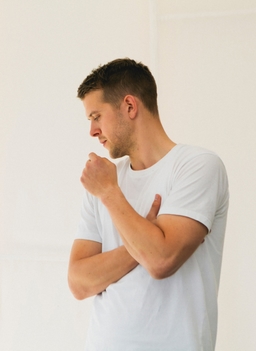
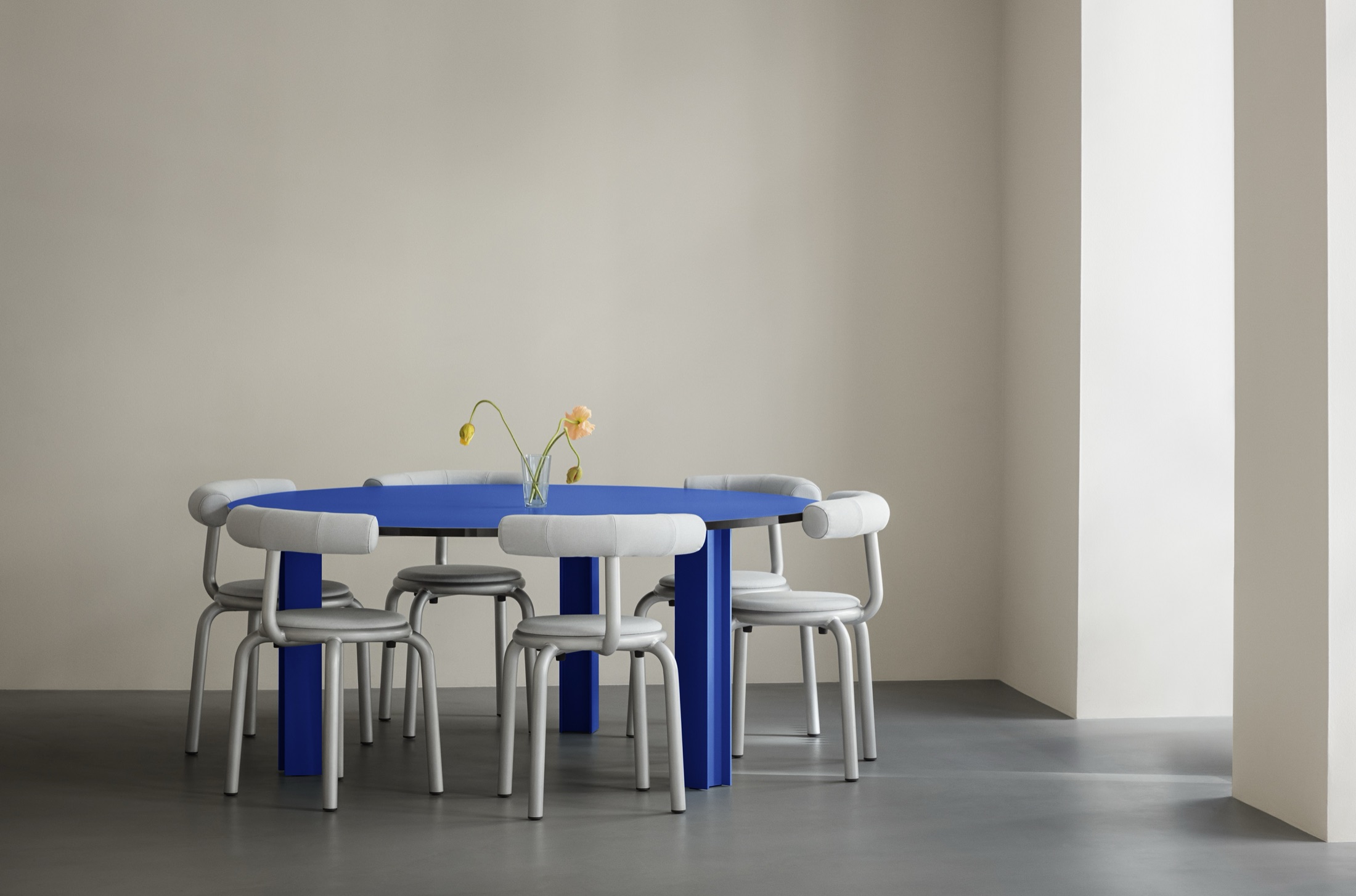
Mads Sætter-Lassen is co-founder of the Copenhagen design studio Krøyer-Sætter-Lassen, founded in 2016, and a graduate of the Royal Danish Academy's design school. The studio creates furniture, products and interiors for clients including Audo Copenhagen, Frama, +Halle and the Glyptotek. In an otherwise old-school process of sketches and physical models, Claibe has become a fast visualisation tool.
When you describe your design process at Krøyer-Sætter-Lassen, how does it unfold from the first conversations to the final project?
Our process is fairly old‑school. We sketch, proportion and build models, from 3D prints to 1:1 cardboard models, and we supplement with CAD and rendering.
Relationships are central. We prioritize internal collaboration and long‑term client relationships. The best results come from trust.
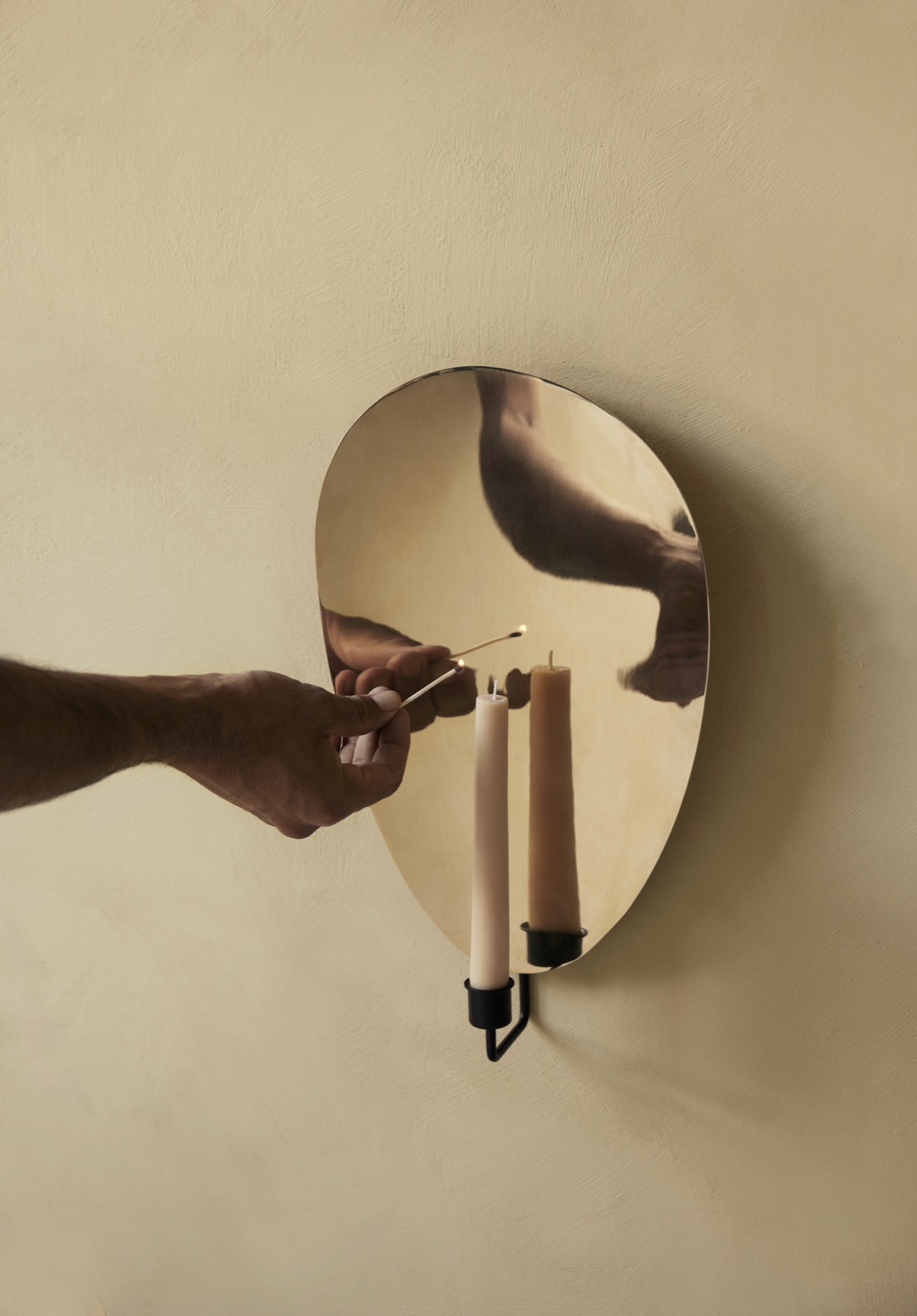
How do you present projects to clients and create clarity and involvement?
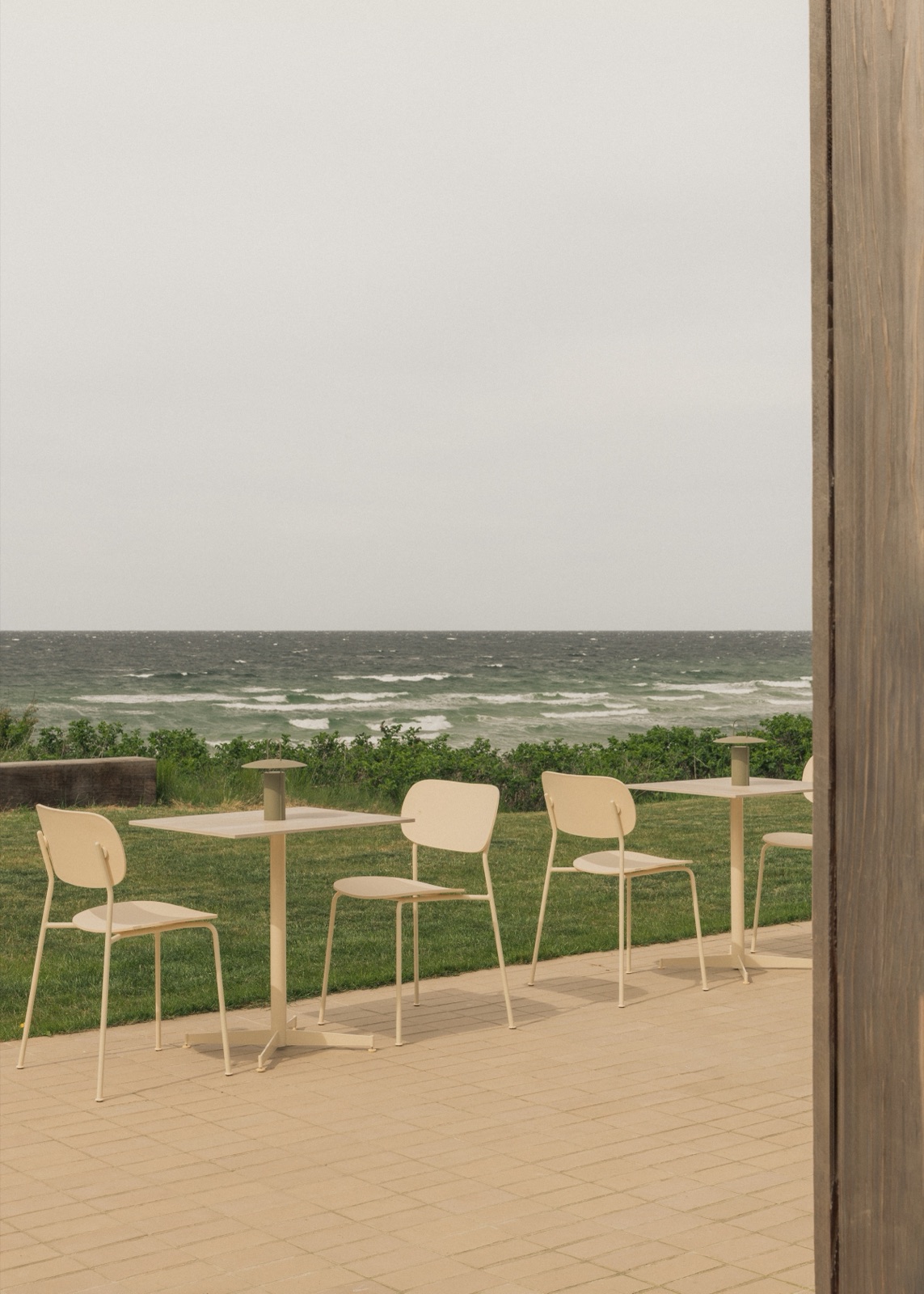
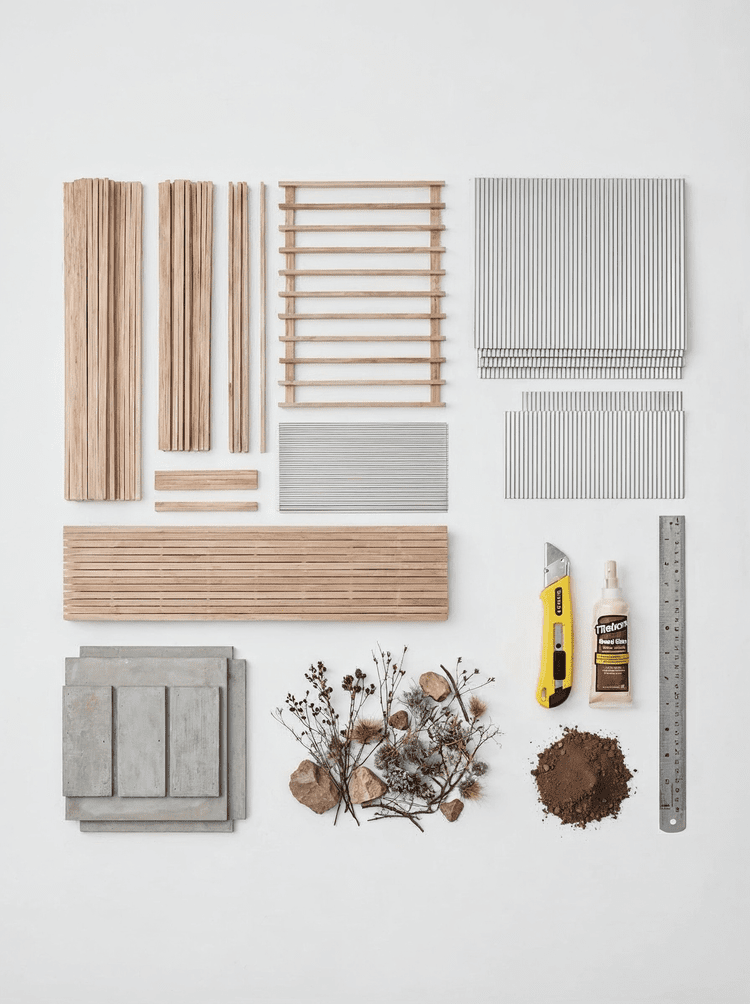
We combine tactile elements like material samples and 1:1 details with physical models and 3D visualizations. It gives a clear picture of the end result.
When we first met and used Midjourney through Discord, it was an early experiment. What has changed since then?
It was a hugely inspiring day and showed the potential of image generation. But we did not really move forward afterward.
It felt too difficult and time‑consuming, and I ended up with "bikers" instead of "biker glasses". So the breakthrough had to wait.
Your studio has worked with Audo CPH, the Glyptotek and Henrik Vibskov. What are you focusing on now?
We continue to design furniture and products for long‑time clients, but we have also opened up to new collaborations internationally.
We are also exploring small‑scale architecture, which we want to develop alongside product and interior design.
How do you follow developments in AI, and what uncertainties weigh most when you look ahead?
We have not followed it closely, even though we can see how fast it is moving. It is hard to allocate time for something that seems complex.
There is also a fear of whether there will be a need for us. But we know AI will become part of the toolkit.
Will technology become an extension of our sensitivity, and how do you keep the output something you can stand behind?
New technologies do not replace the old. Physical models are crucial because things can change dramatically when built.
AI can supplement parts of the practice, but not the physical feel that informs design decisions.
When you use Claibe, where do you get the most value, and where do you see opportunities to expand its role?
Claibe has nearly replaced our rendering tools for visualizations. We can apply materials to line drawings and place them in environments quickly.
I look forward to using it earlier in the process and for developing extensions to existing product families.
More interviews
Explore other creative voices using Claibe.
Art direction
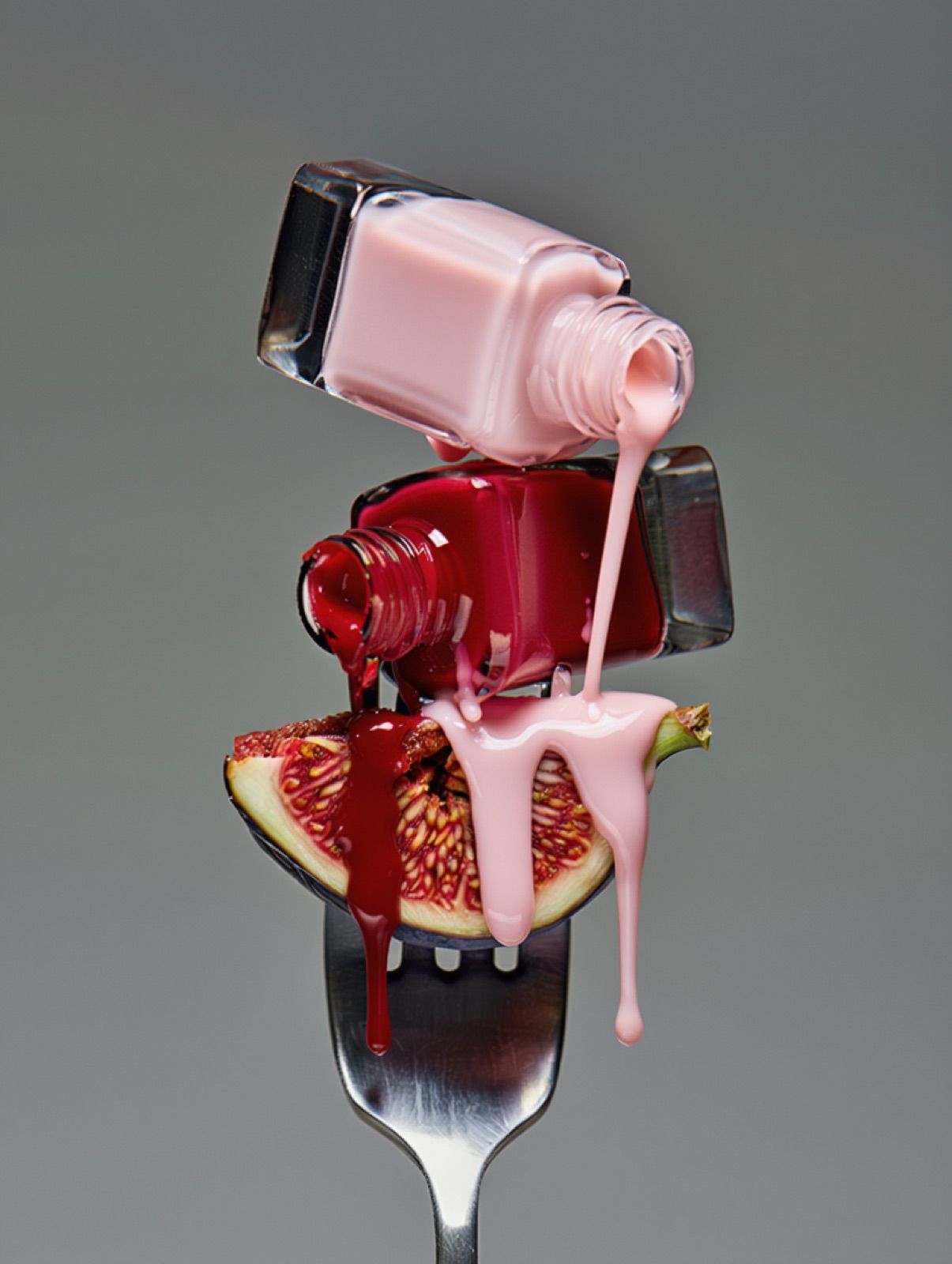
Sally Trier
Art director and AI artist. Formerly &Co., now represented by badland.tv.
Art direction
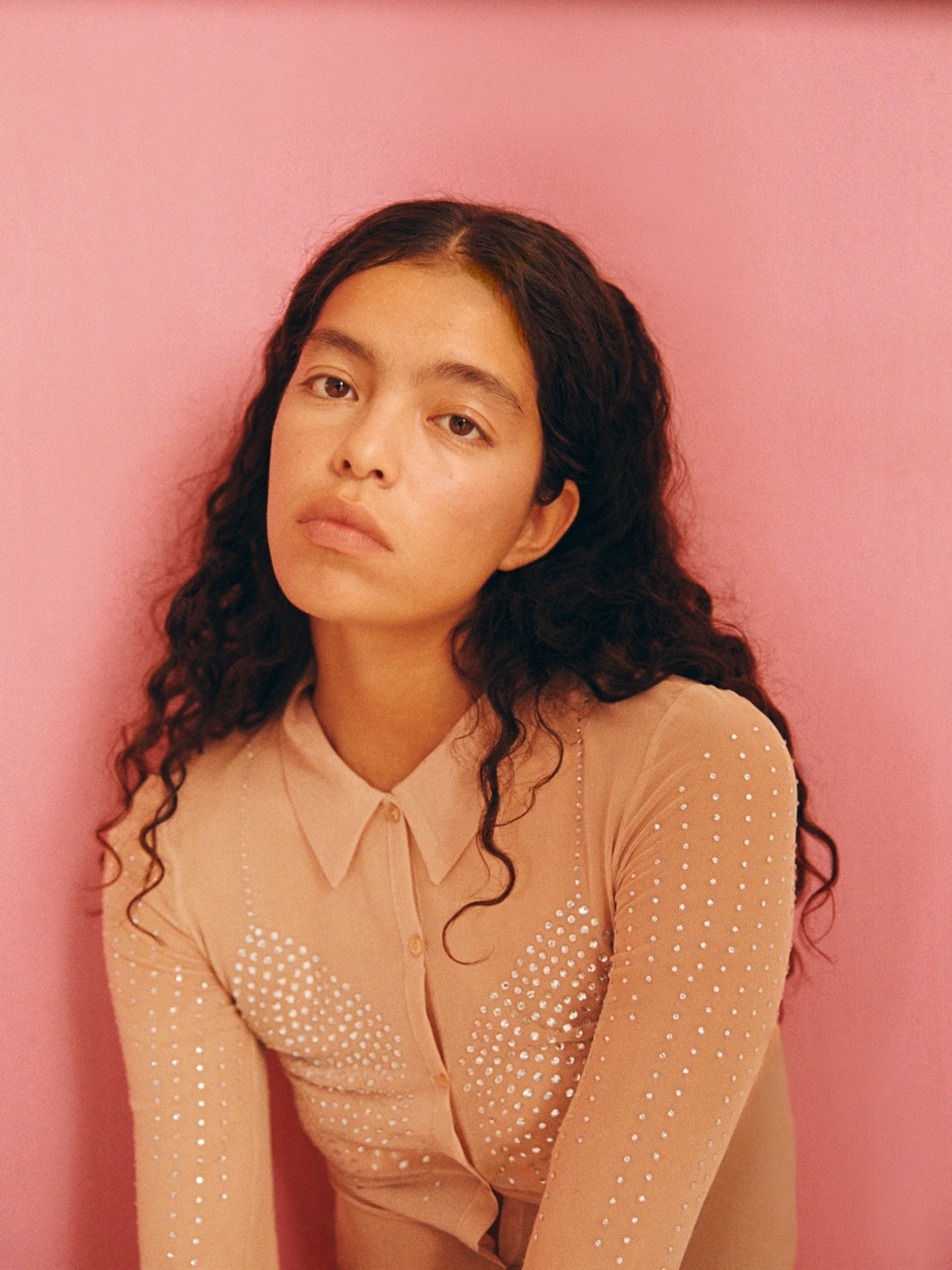
Anne Rosenvold Tygesen
Designer with 20 years in fashion. Now builds visual worlds with AI.

Art direction
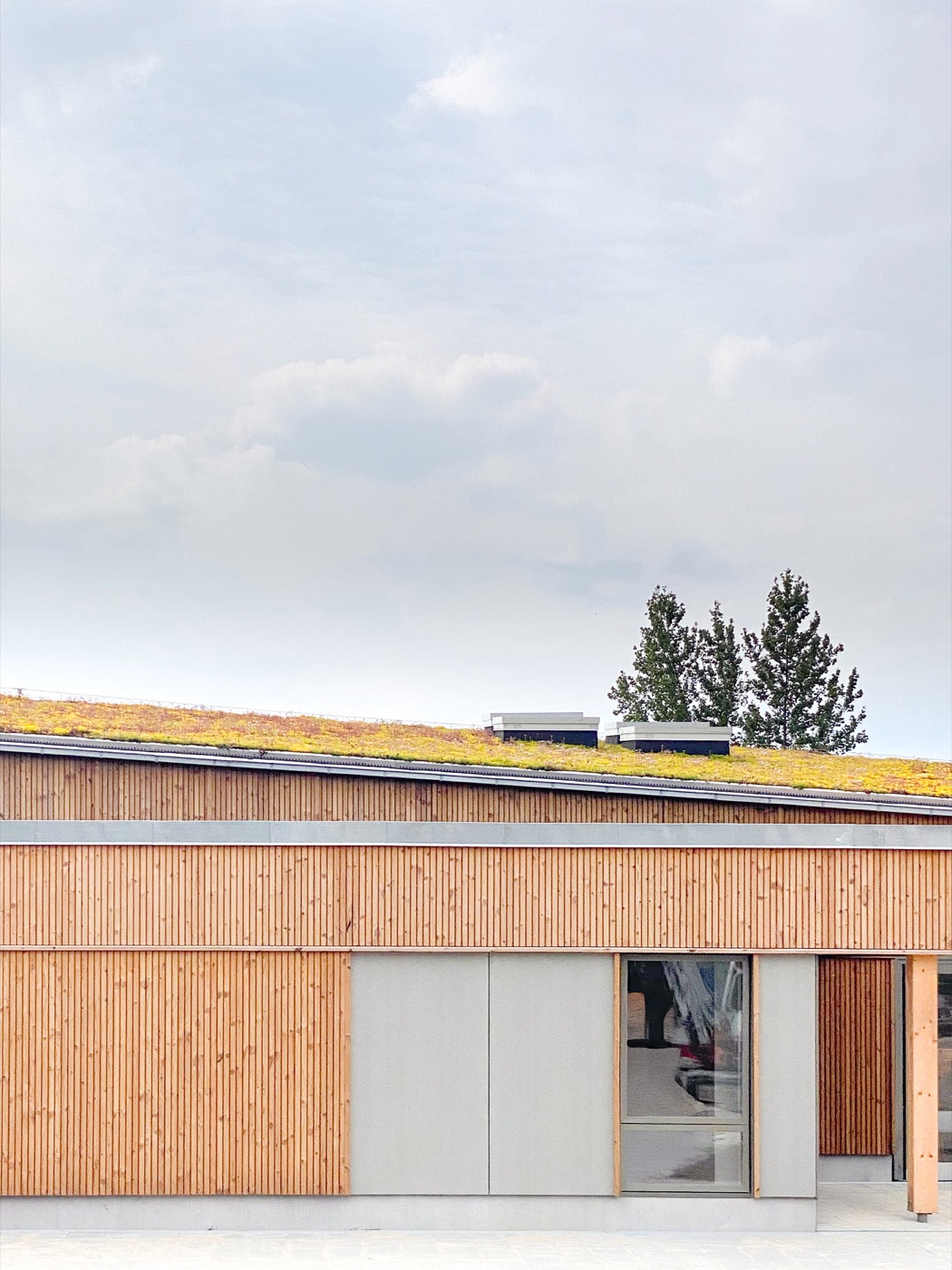
Julie Rask
Image-maker shaping mood and movement with generative AI.
Architecture
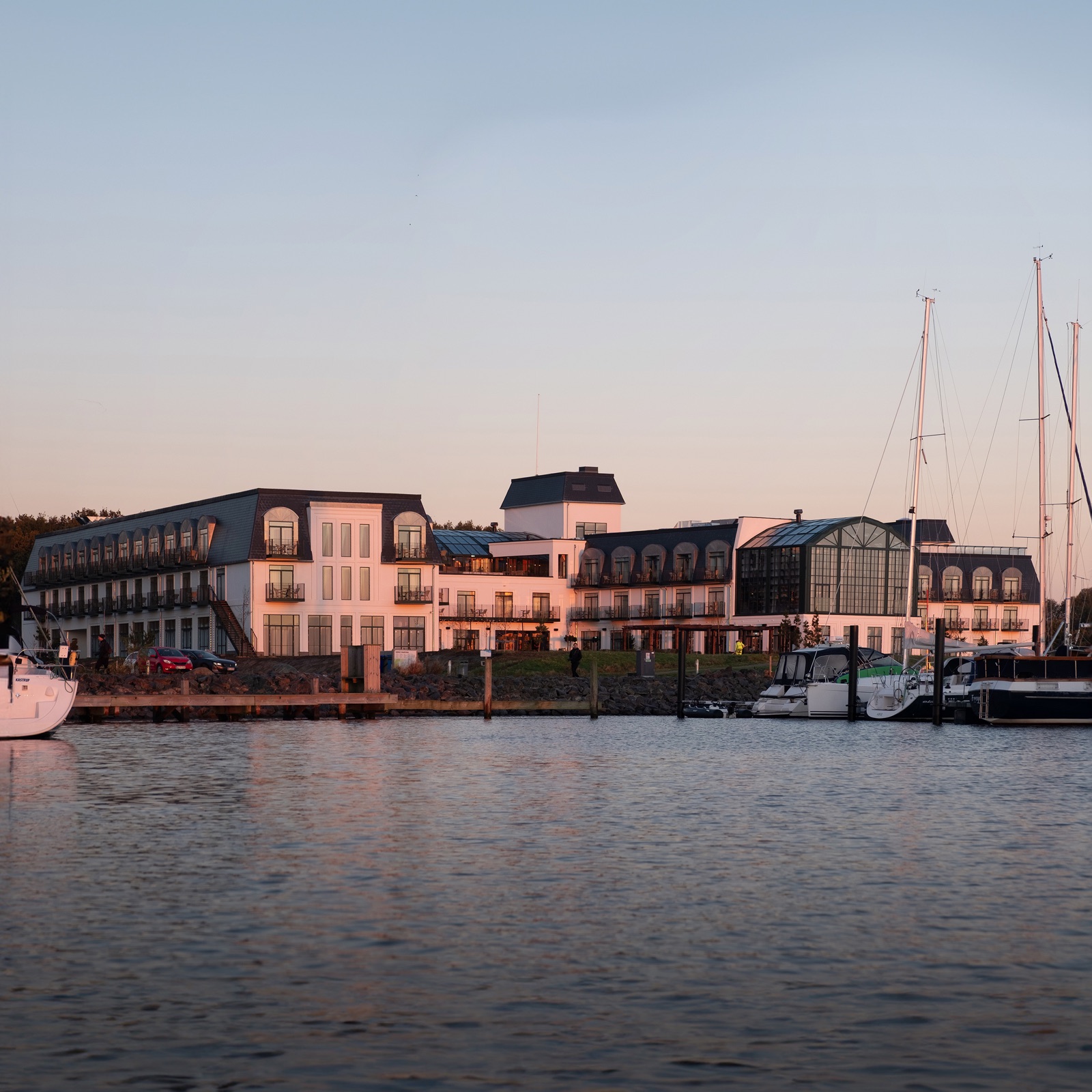
Mathilde Friis Olsen
Visualisation architect and portrait painter. Winner of Denmark's Best Portrait Painter.
Architecture
Jon Andersen
Architect and associate professor at the Aarhus School of Architecture. Teaches AI at ARoS.