Art direction
Claibe
Anne Rosenvold Tygesen
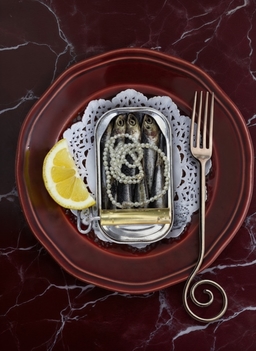
Anne Rosenvold Tygesen has around 20 years behind her as a designer and creative project coordinator in the fashion industry. In recent years she has moved toward a more visual expression and uses Claibe to turn ideas into professional images and conceptual worlds, without large productions.
You have worked for 20 years as a designer and product developer in fashion. How has that shaped your approach to creativity?
I have been creative all my life, and choosing a creative education felt natural. The 20 years as a designer and creative project coordinator in fashion have shaped how I think.
When I am in a good creative flow, I lose track of time. Ideas trigger new ideas, so one design quickly leads to the next.
In recent years I needed a break from clothing and moved toward a more visual expression. AI lets me build refined worlds and show clients how, for example, a kitchen could look.
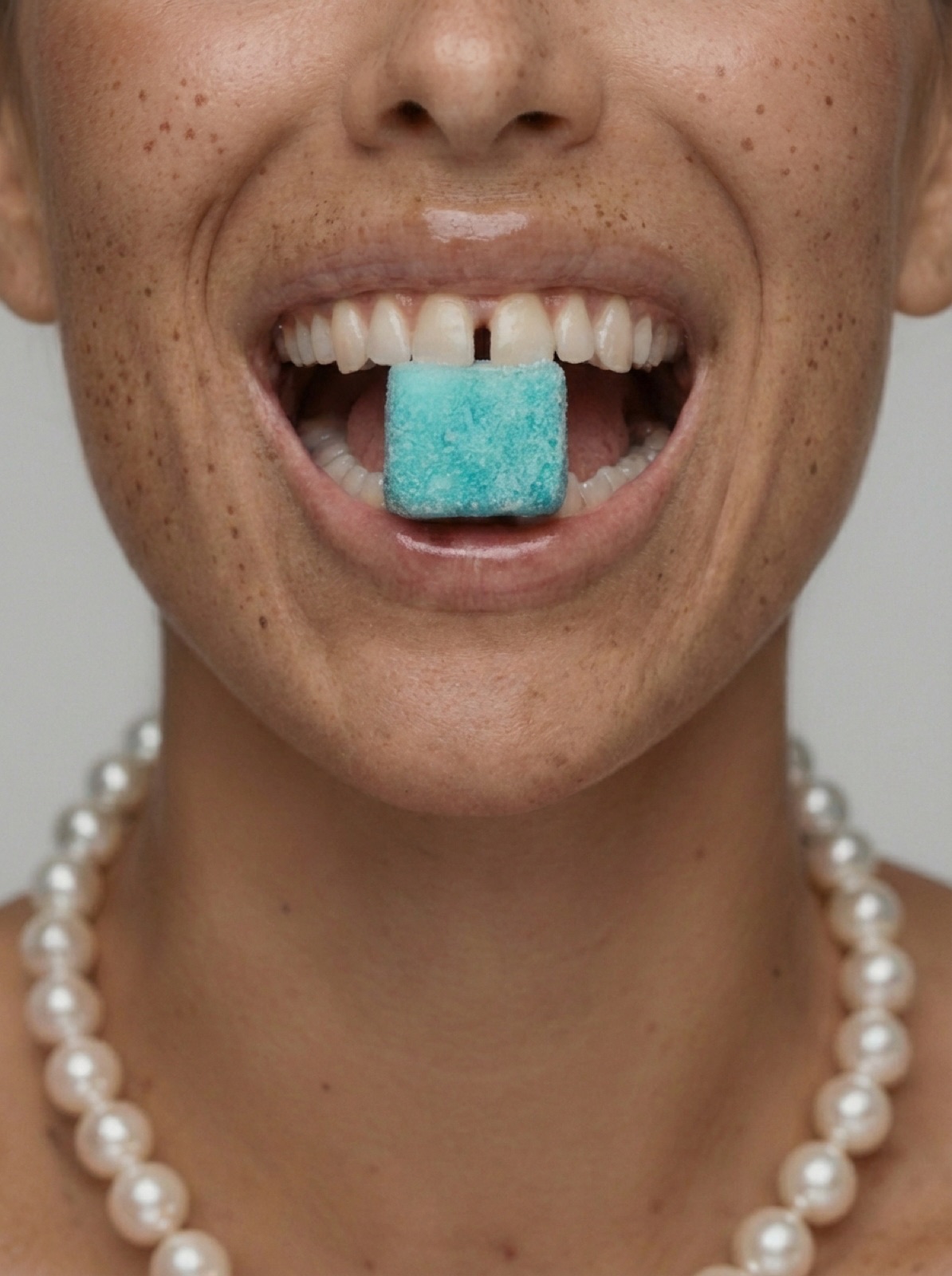
You entered the AI world without prior experience through a course. What was the first encounter like, and what changed once you started using Claibe actively?
I was skeptical and a little afraid of AI, but also curious. After seeing how realistic the images could be, I invested in a 3‑day course and it turned out to be a great decision.
I was completely green, but Claibe was quick to learn. After a short time we were already experimenting and creating usable results.
It was an eye-opener to see how much is possible with the right prompts. I could finally create the visual expressions I had in my head.
What a‑ha moments have you had with Claibe, and how does its control over composition affect the way you create?
I have had countless a‑ha moments. It feels like a release to create images without organizing a big photoshoot.
I quickly got hooked and spent many evenings building concepts. It is incredibly satisfying to see ideas come to life.
Most things are possible with the right prompts. If something does not work, I try a new approach and find a solution.
When you develop new concepts, when do you introduce products, and how does your creative process work with AI?
It depends on the project. Sometimes I know exactly which product I want to work with, other times the direction appears along the way.
I often start with inspiration and a direction, then explore ideas until a universe emerges that I want to develop further.
Recently I created a fictional room for a brand. With just a few prompts and small adjustments, I hit the exact vision I had.
You want to explore art direction more. How do you use Claibe to expand your visual thinking, and which projects do you want to focus on going forward?
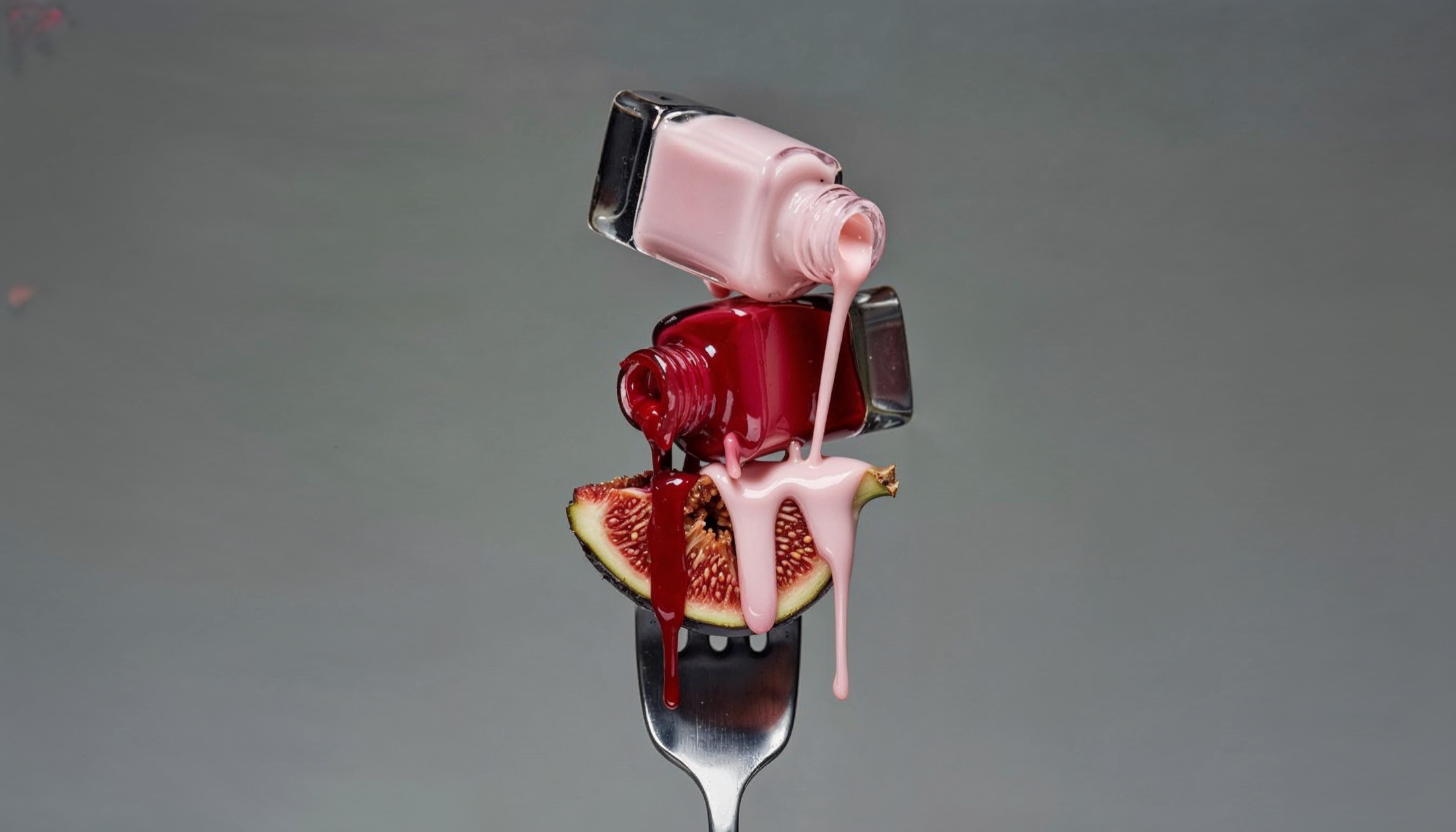
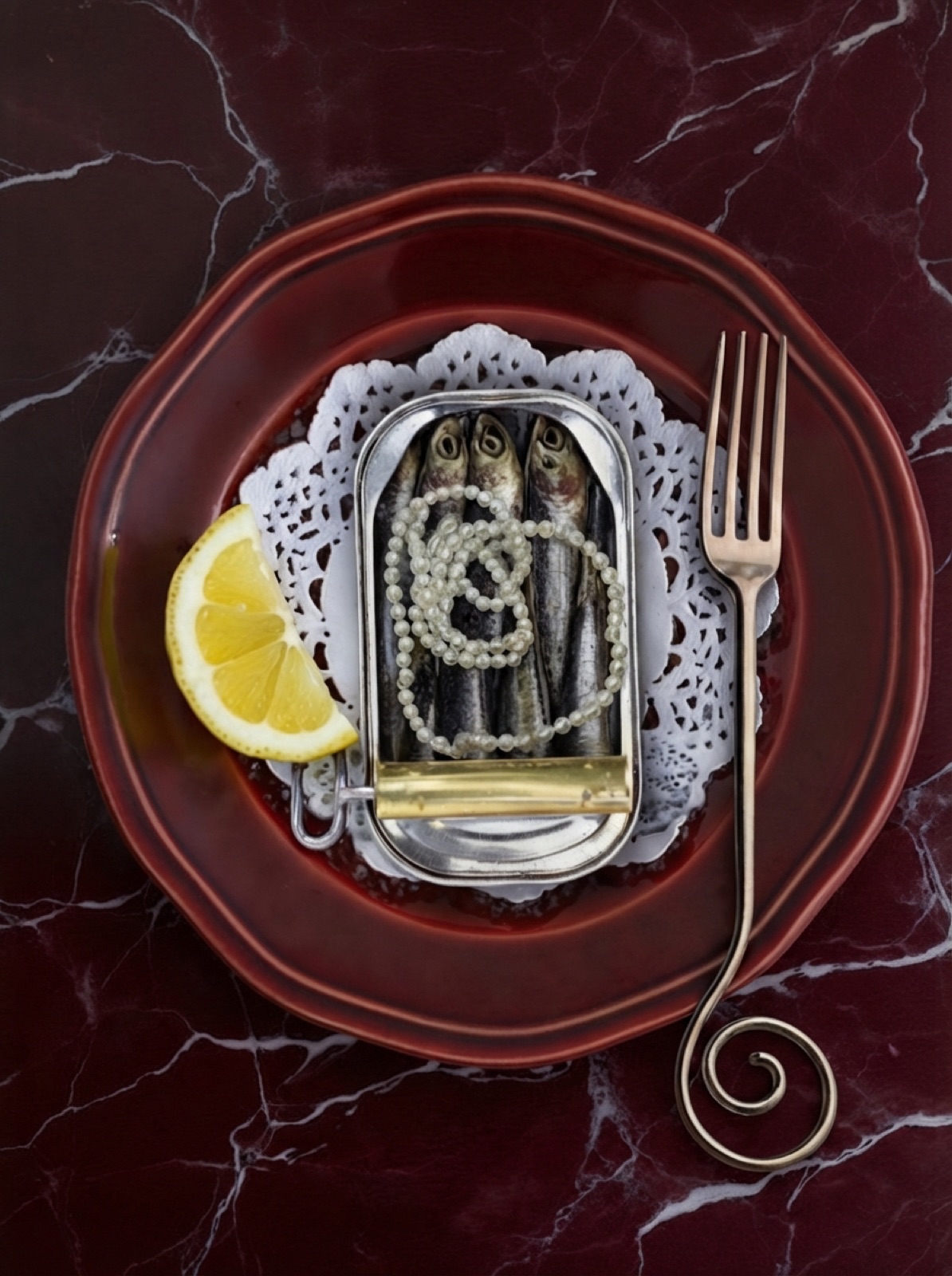
I have found my new creative direction. Claibe helps me translate ideas into strong visual concepts that reflect my aesthetic.
I want to develop campaigns and visual material for fashion, beauty and jewelry brands. AI is no longer a threat for me, but an essential tool.
More interviews
Explore other creative voices using Claibe.
Interior & Design
Mads Sætter-Lassen
Co-founder of Krøyer-Sætter-Lassen. Furniture, products and interiors from Copenhagen.
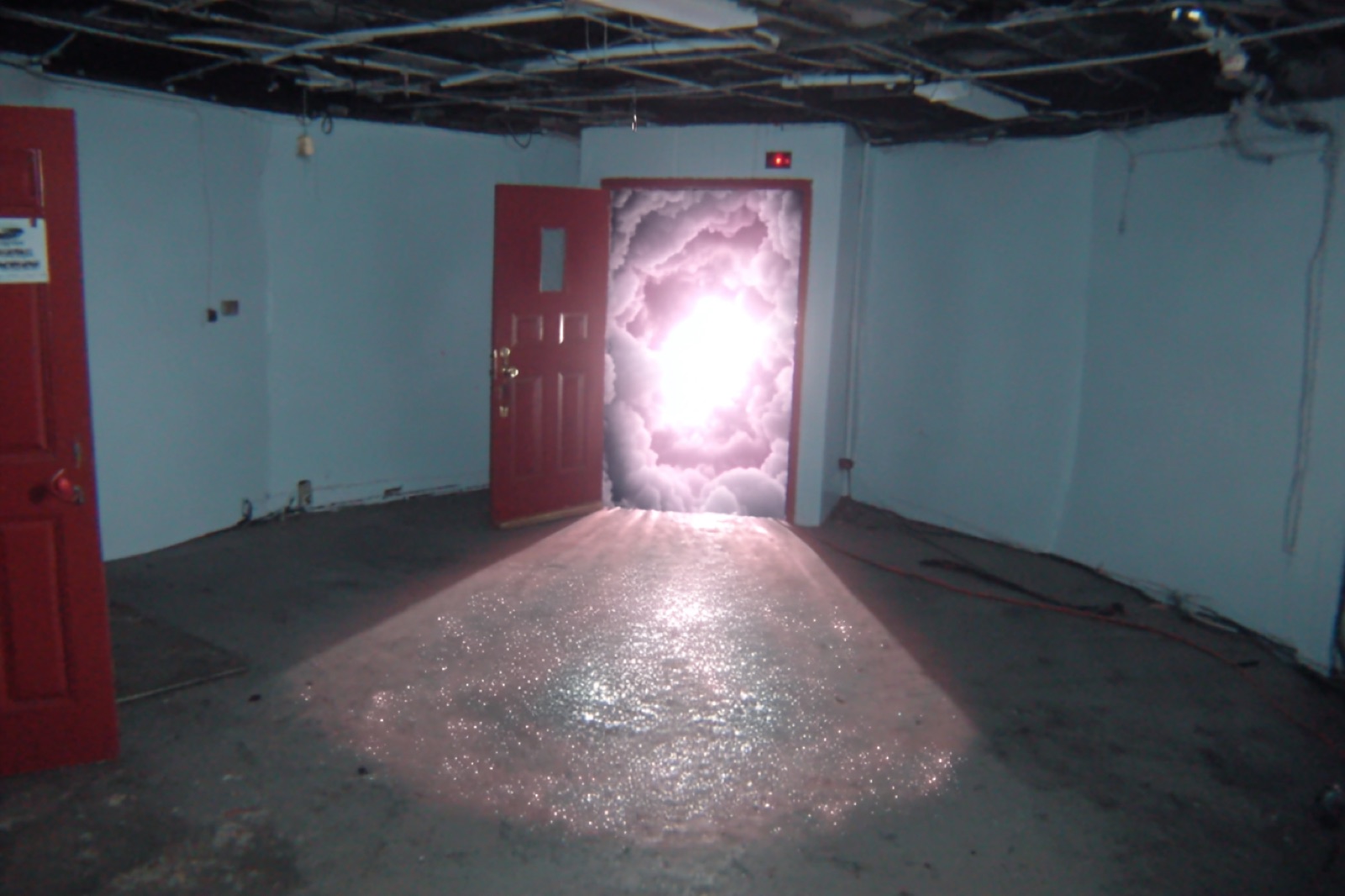
Art direction
Sally Trier
Art director and AI artist. Formerly &Co., now represented by badland.tv.
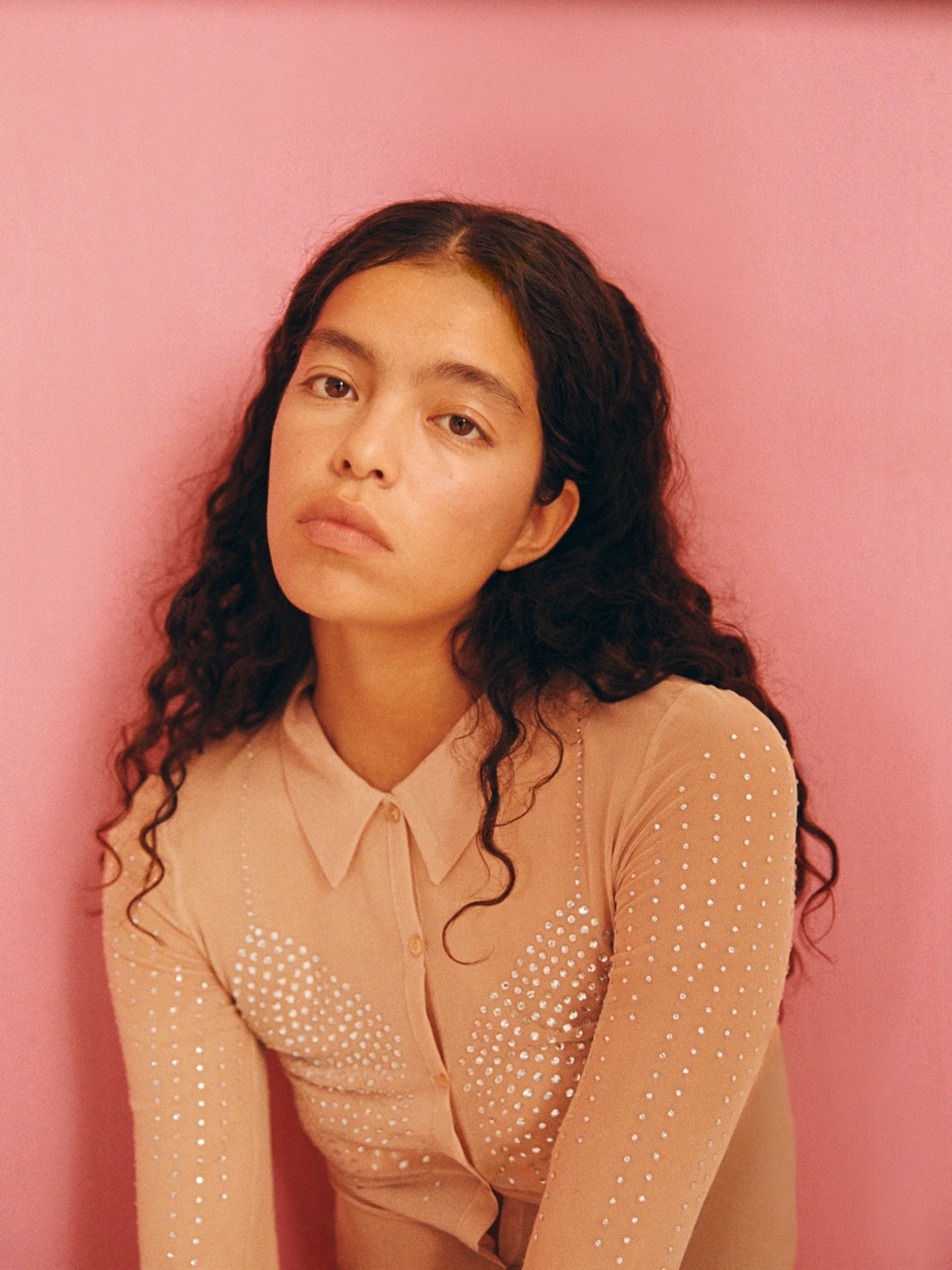

Art direction
Julie Rask
Image-maker shaping mood and movement with generative AI.
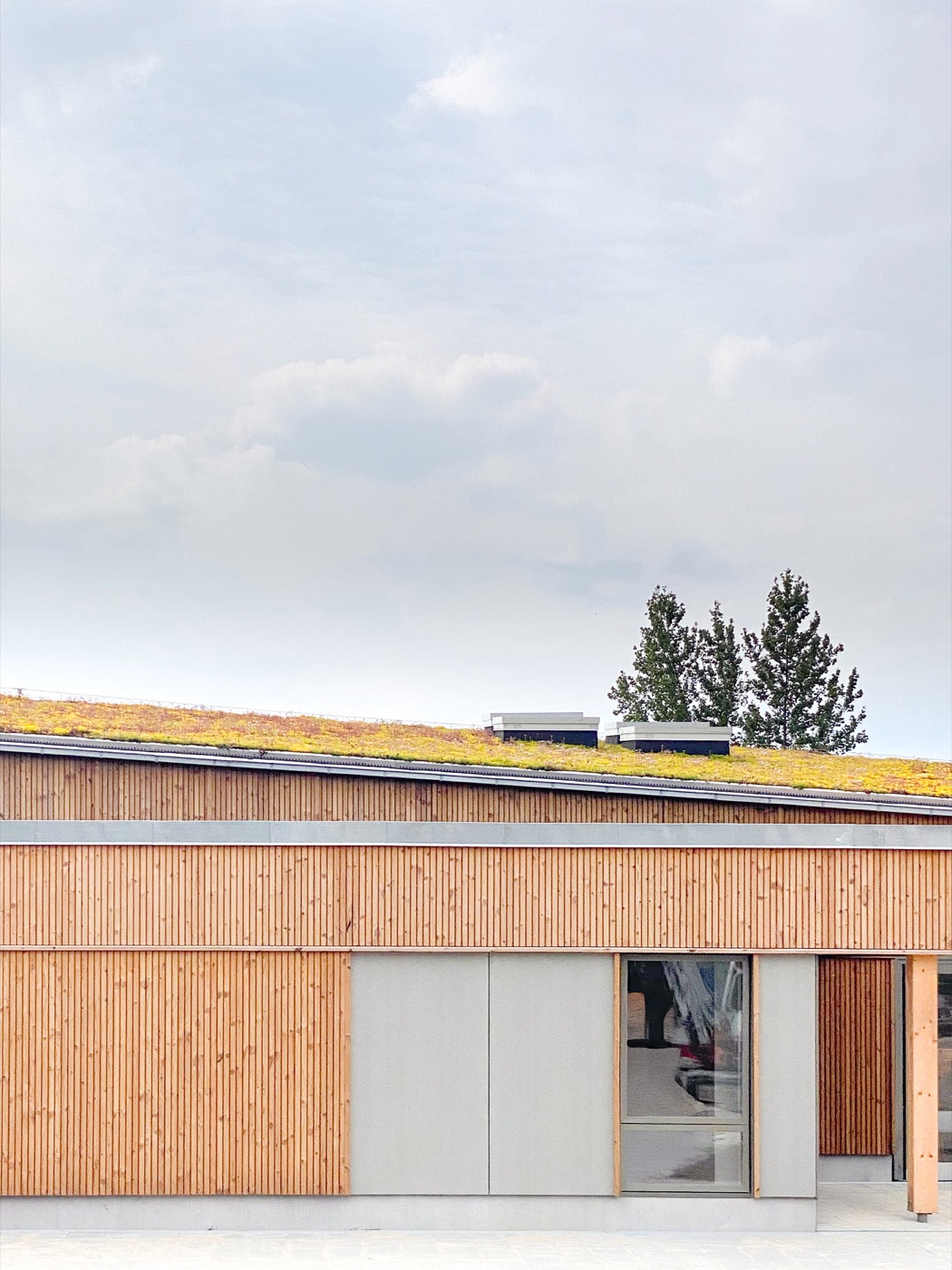
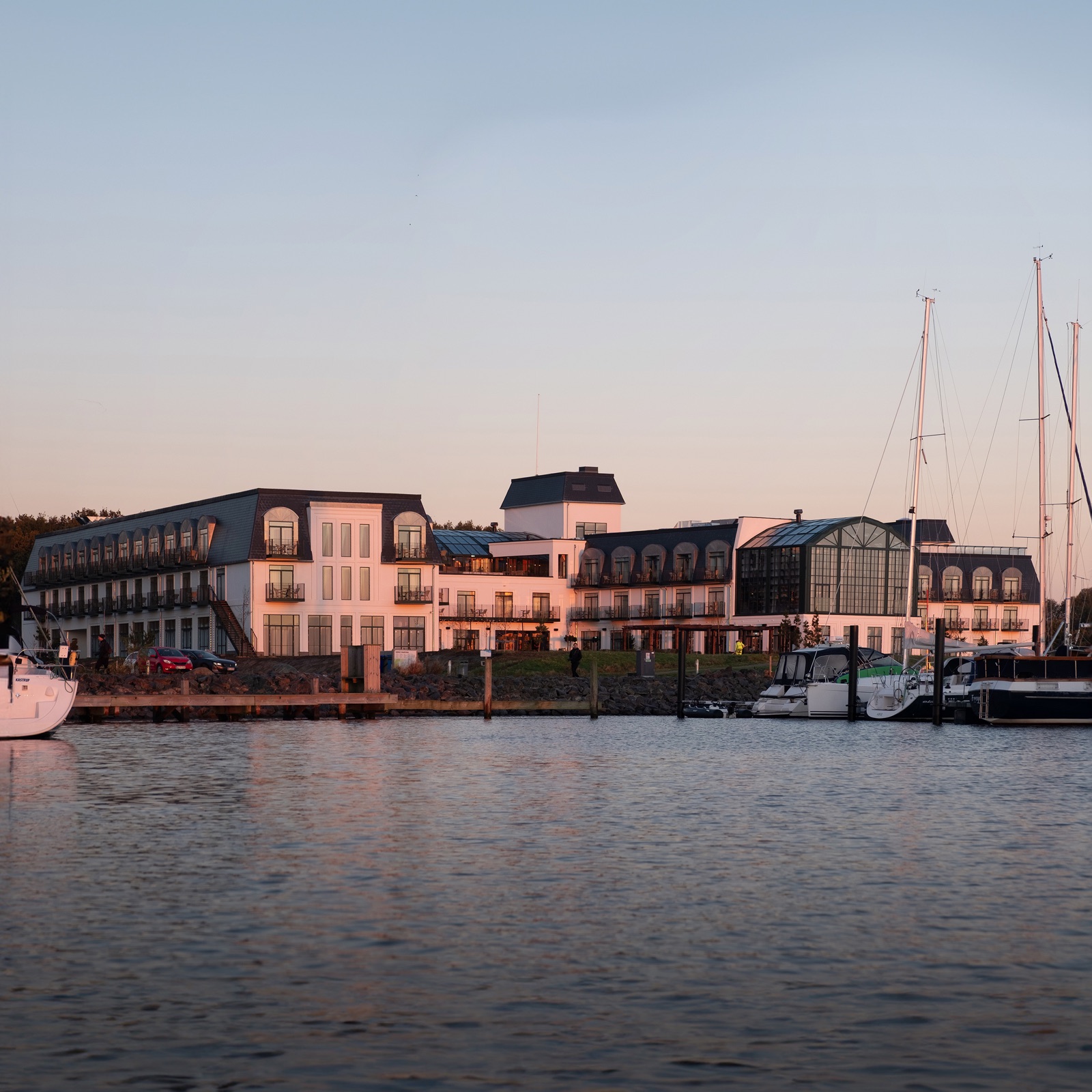
Architecture
Mathilde Friis Olsen
Visualisation architect and portrait painter. Winner of Denmark's Best Portrait Painter.
Architecture
Jon Andersen
Architect and associate professor at the Aarhus School of Architecture. Teaches AI at ARoS.